The Fox Hunt: Osama bin Laden, the 2002 Death Reports, and the Conspiracy That Never Went Away
I was there.
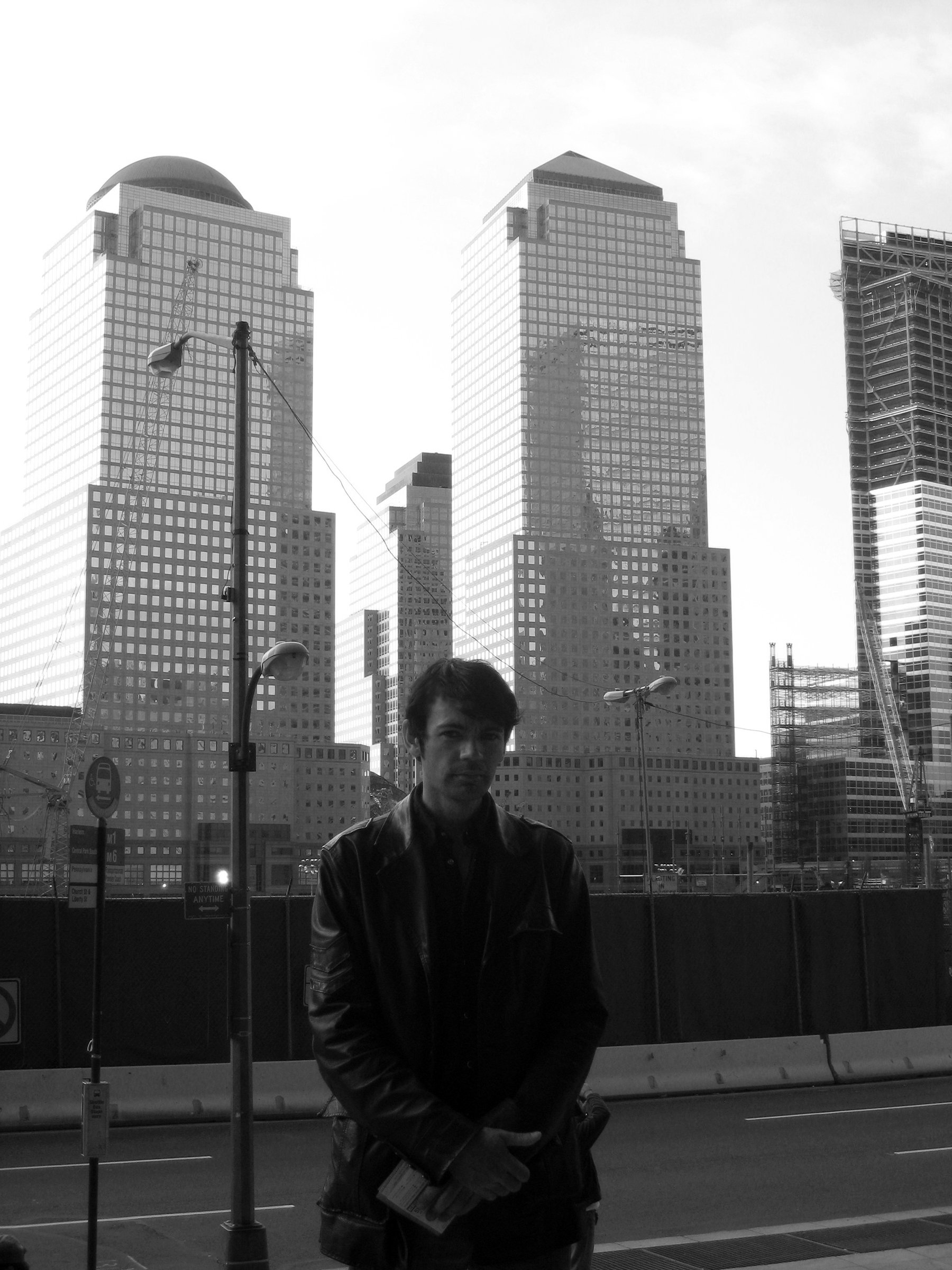
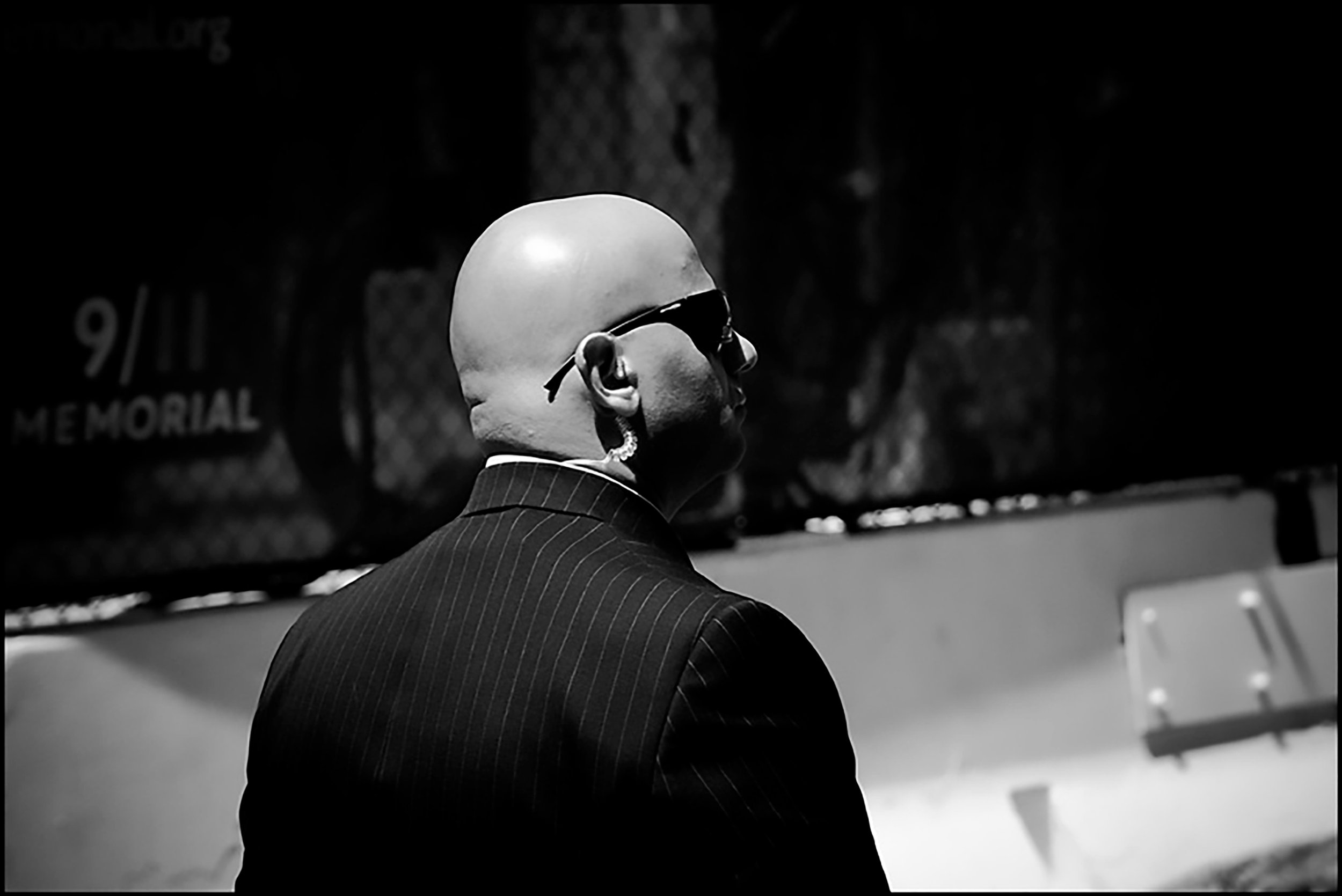
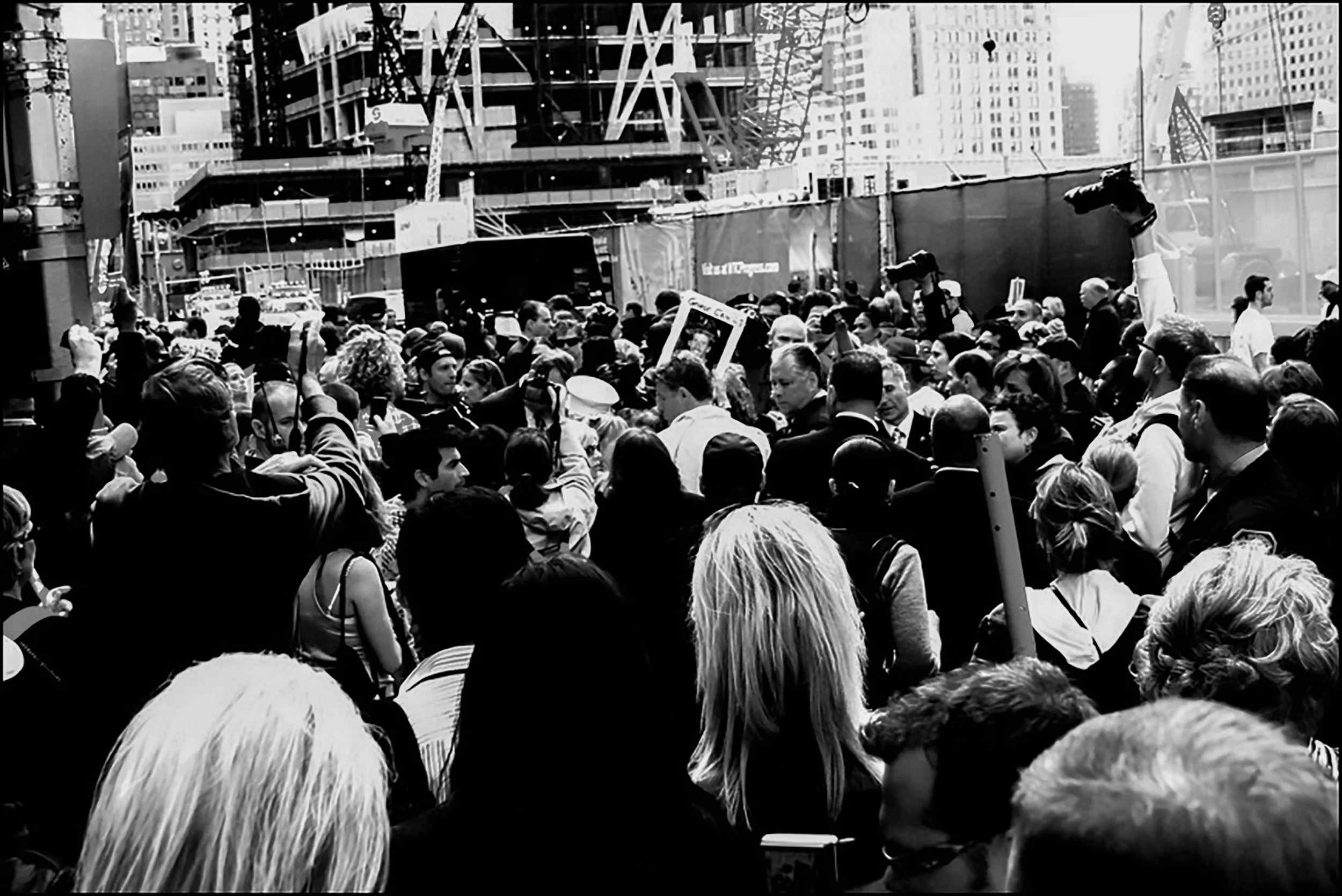
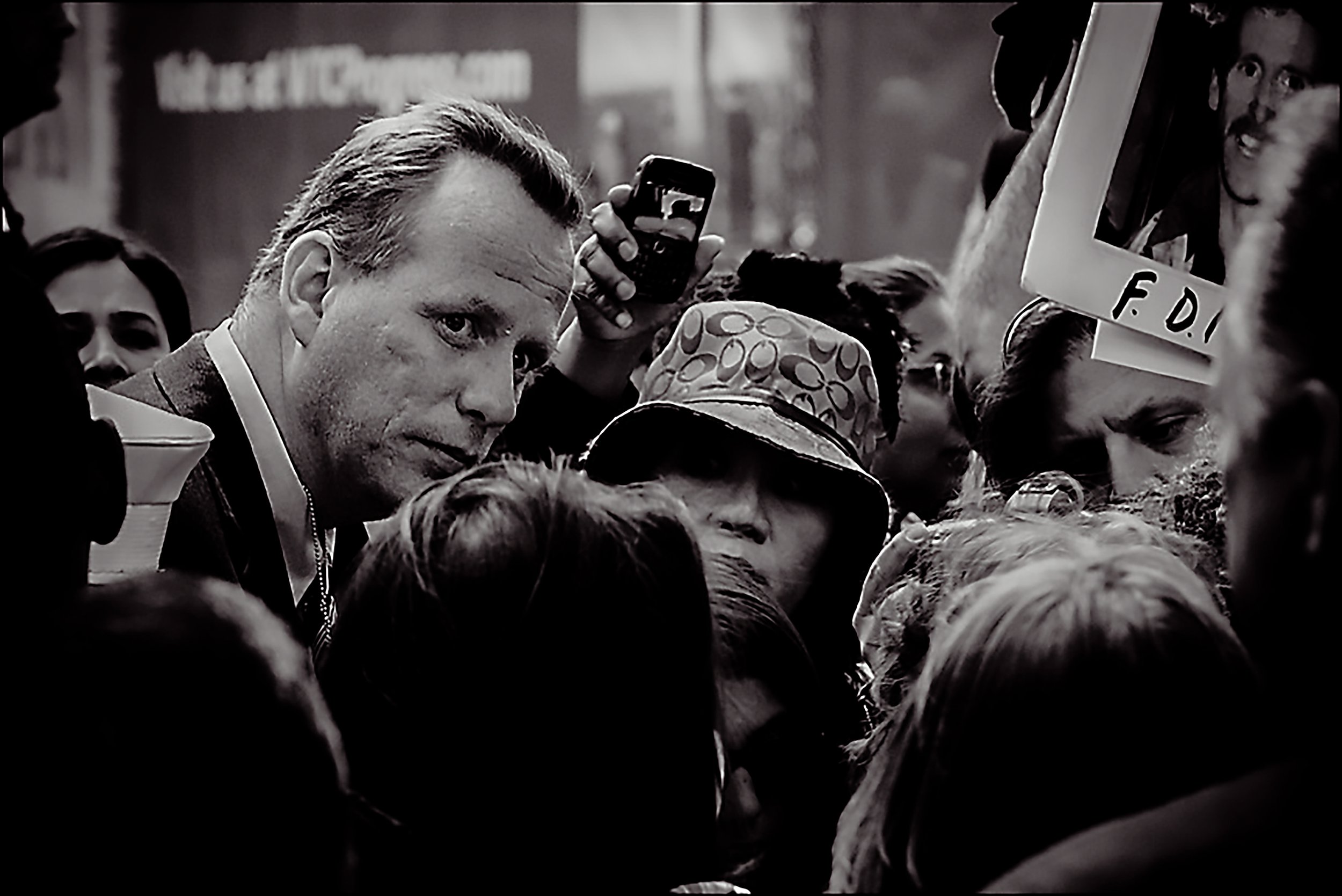
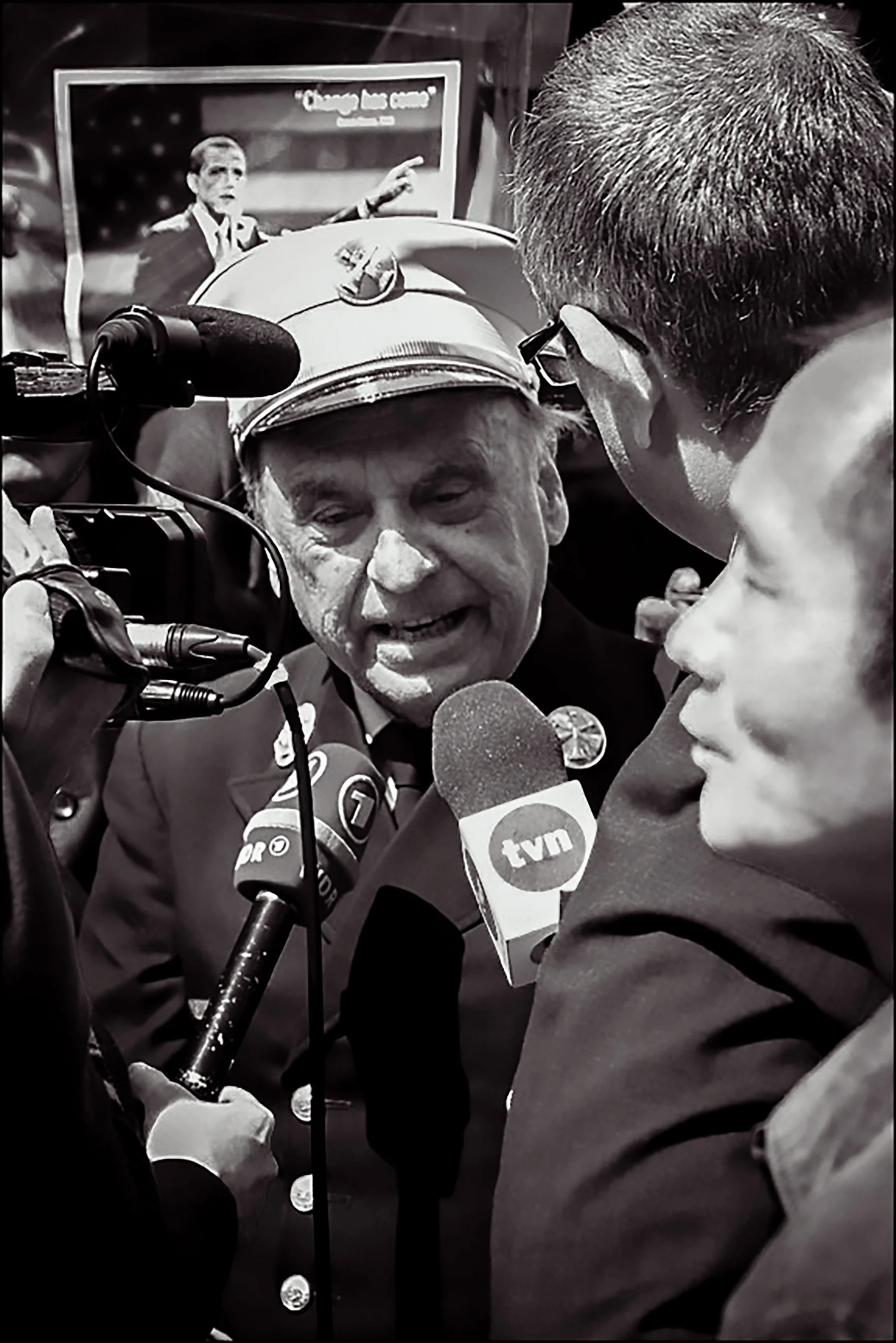
In 2011, when Barack Obama announced that the United States had "killed Osama bin Laden," I was at Ground Zero.
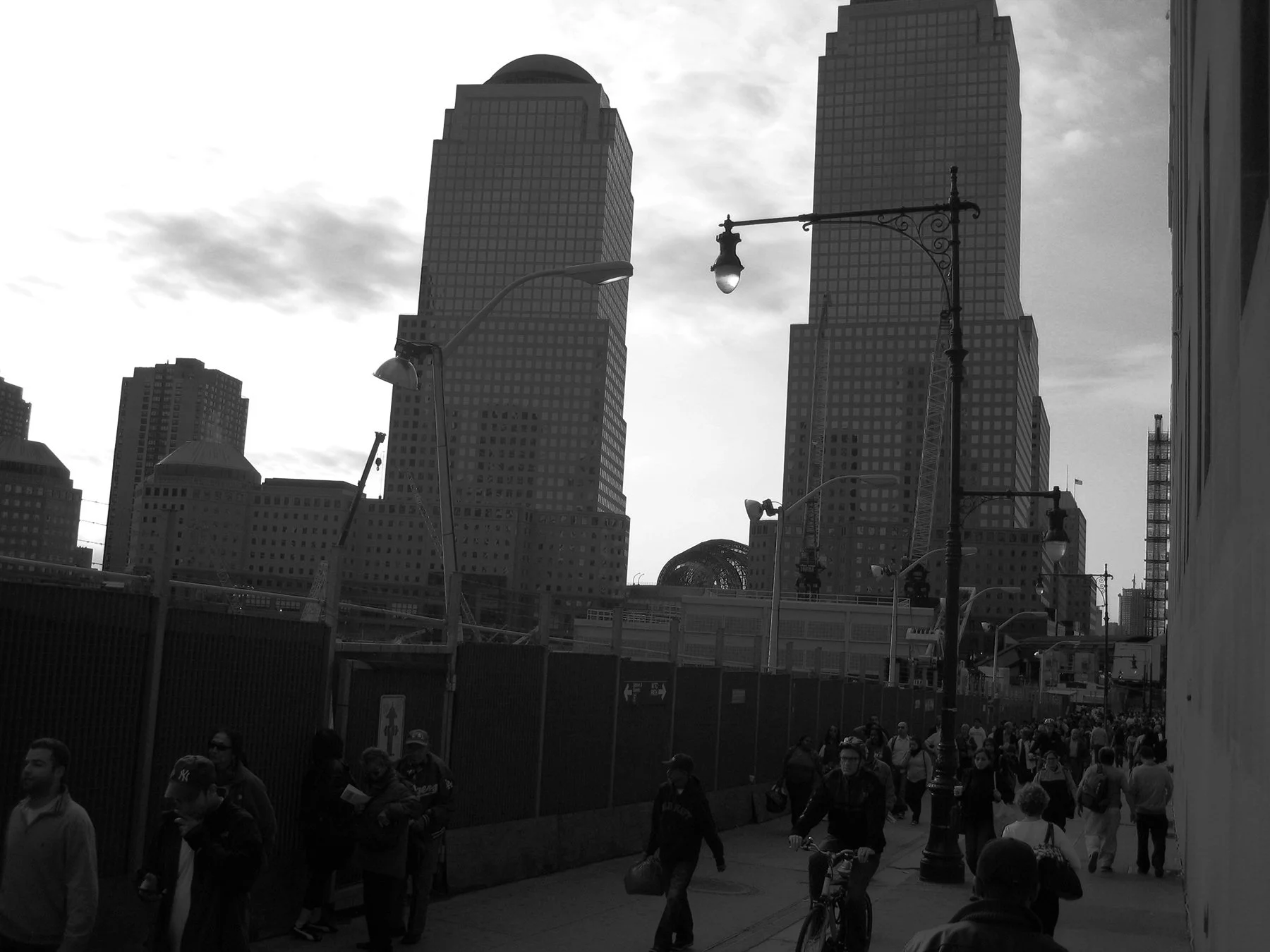
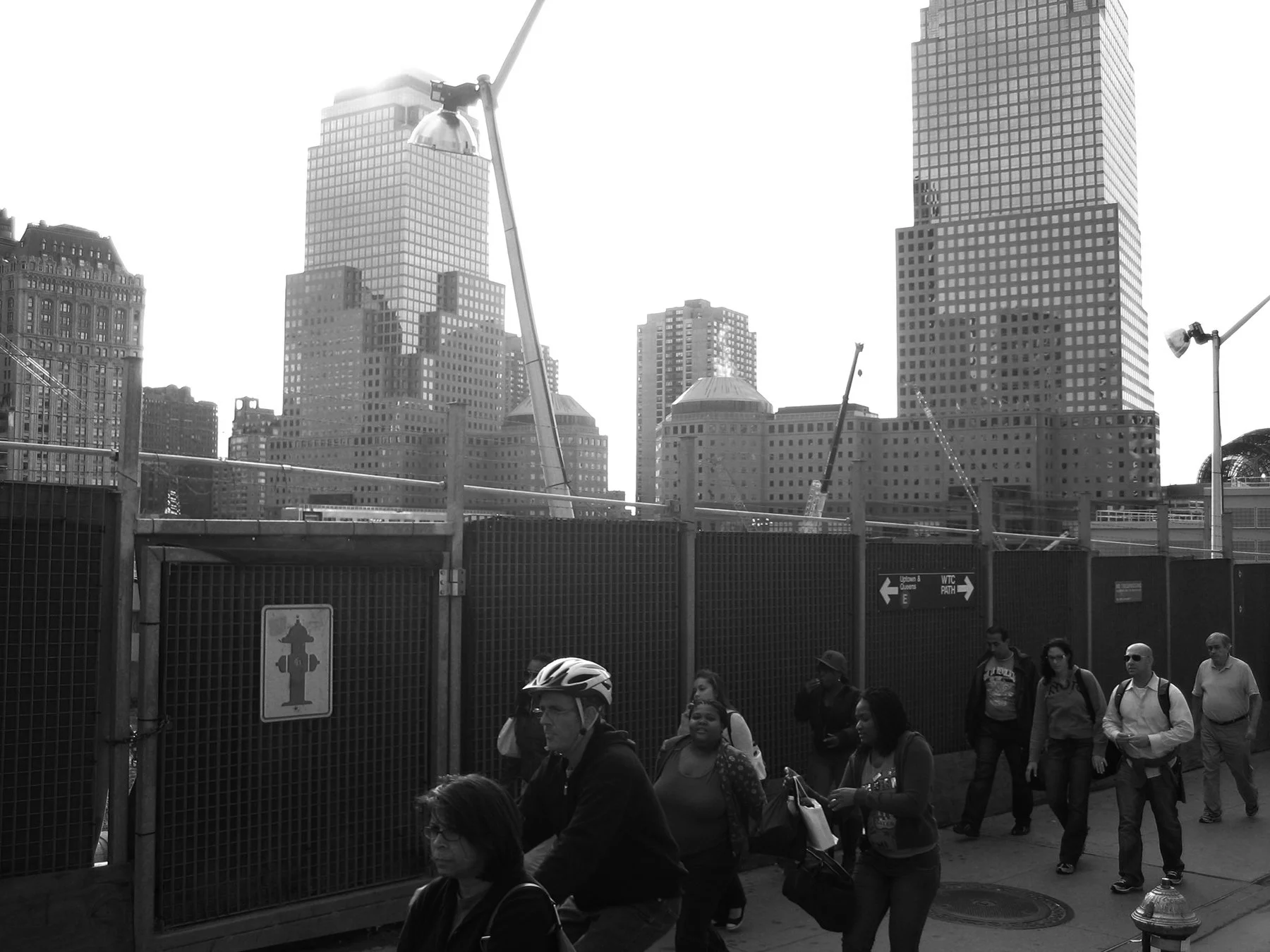
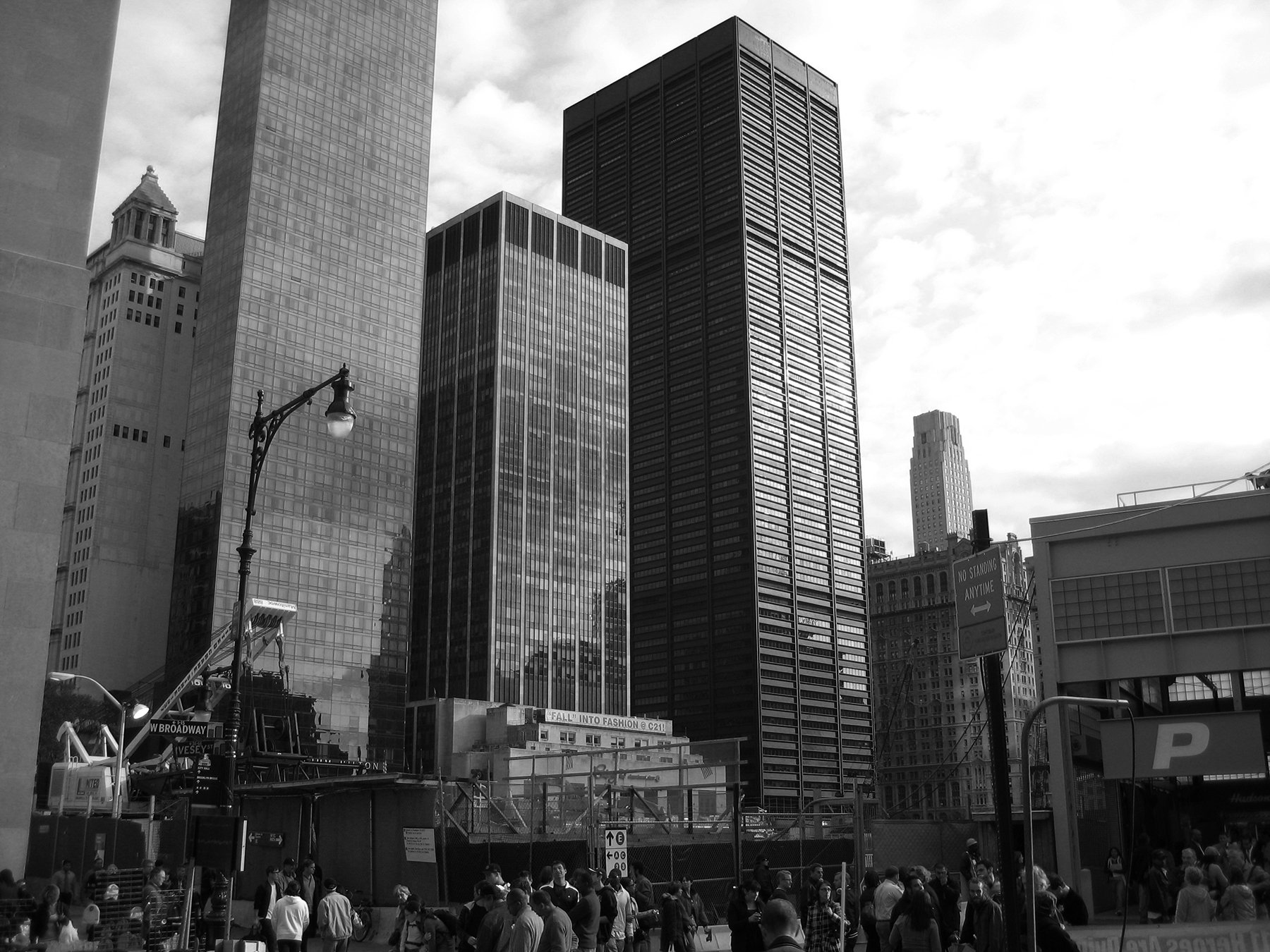
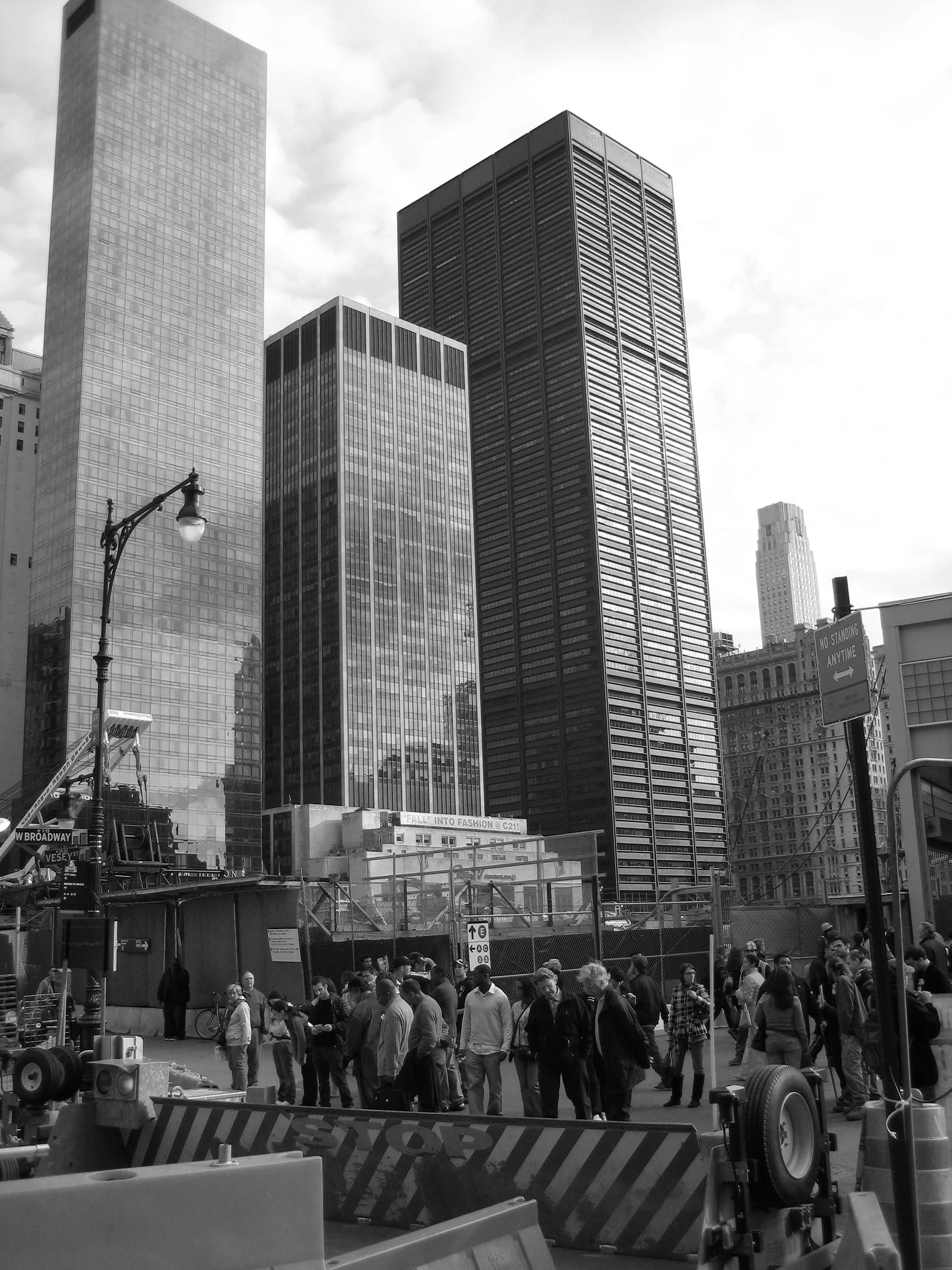
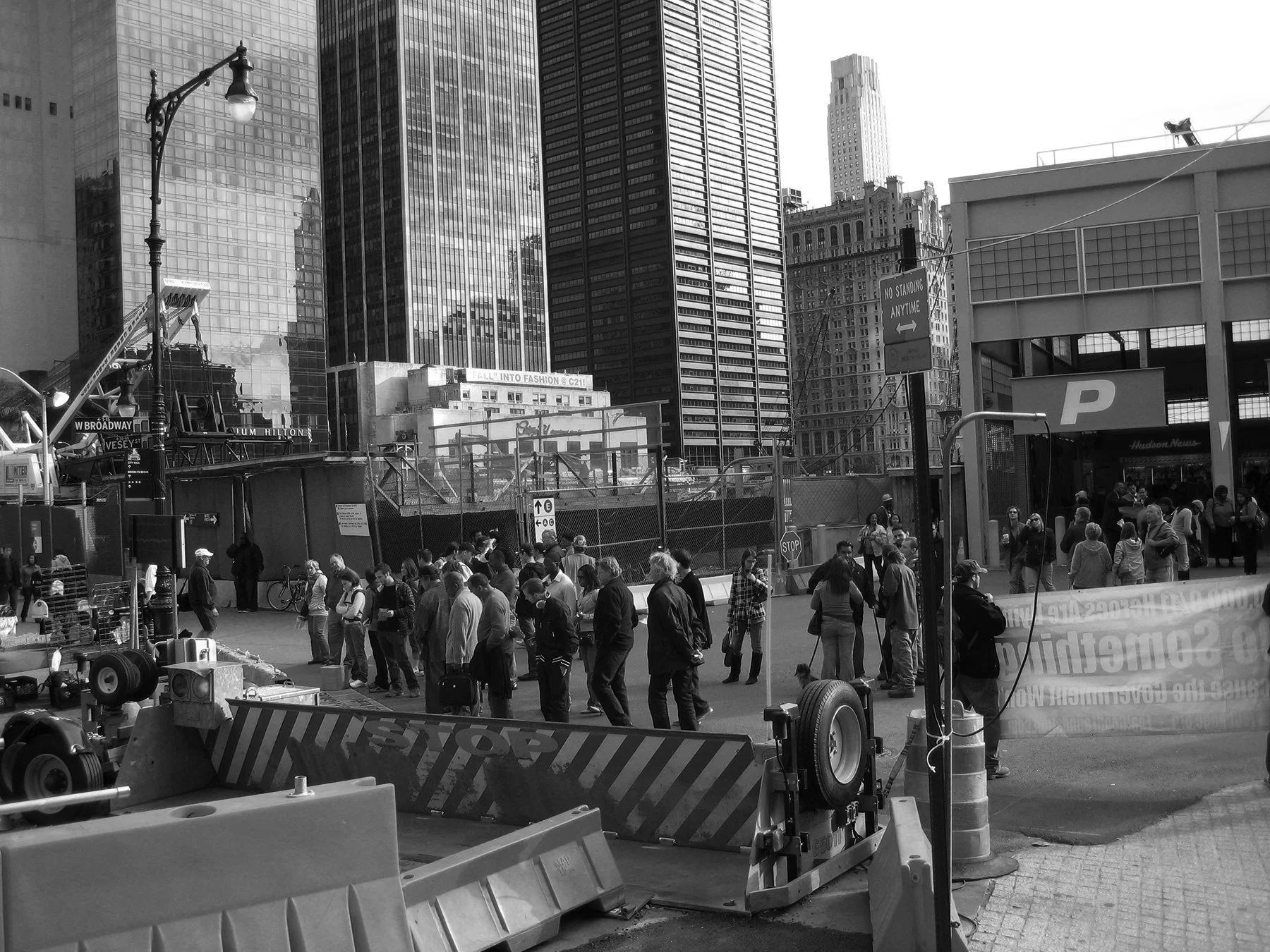
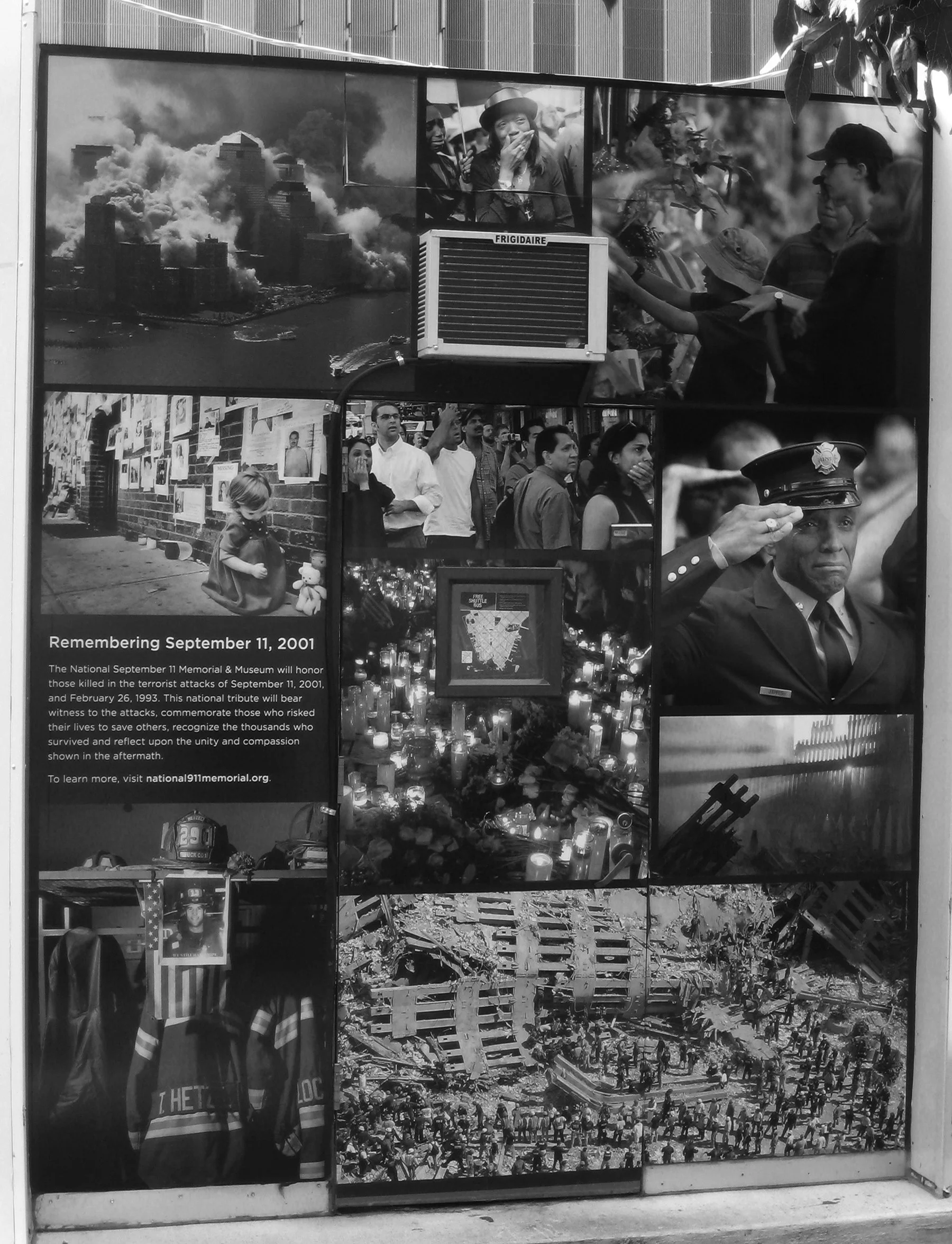
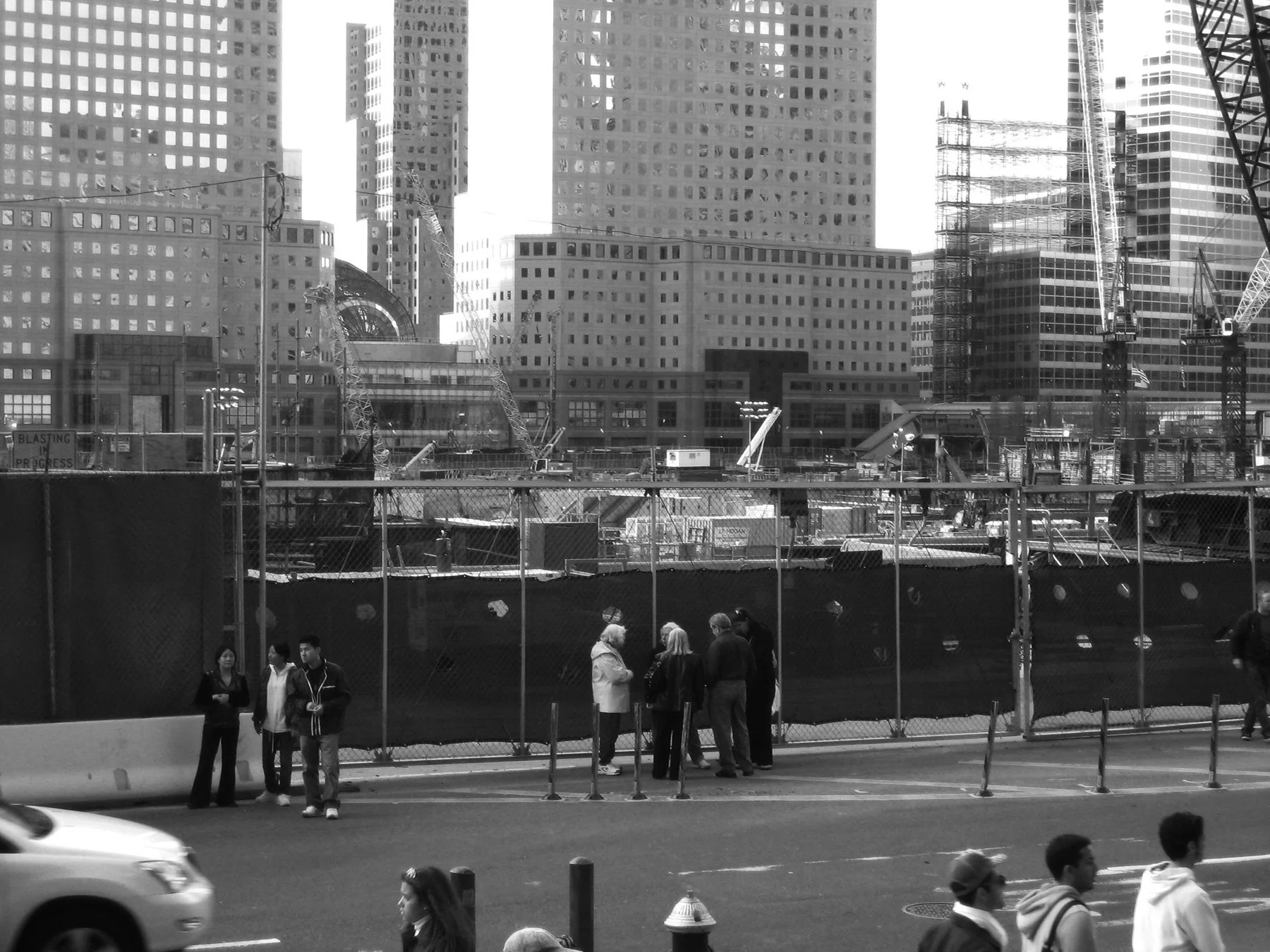
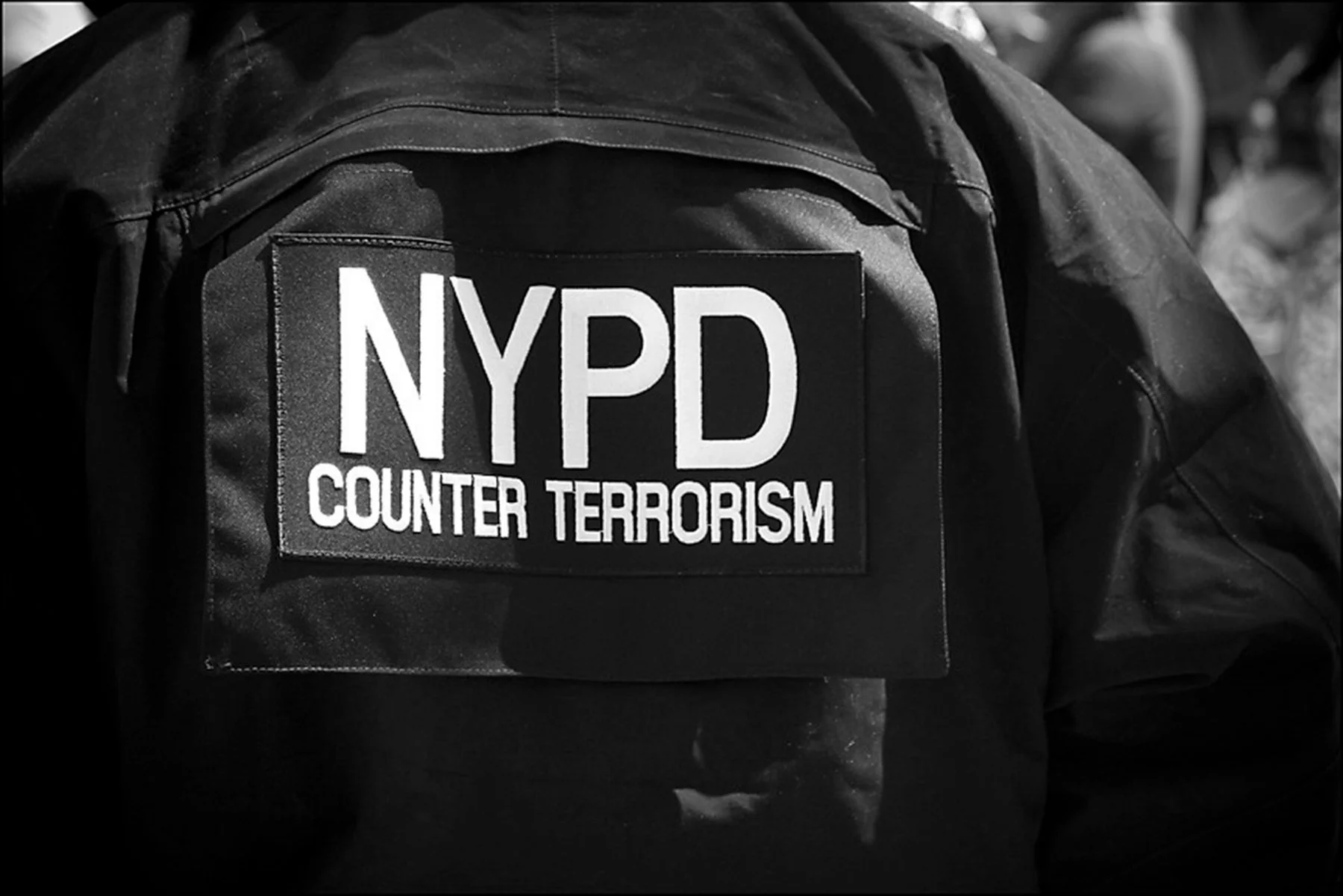
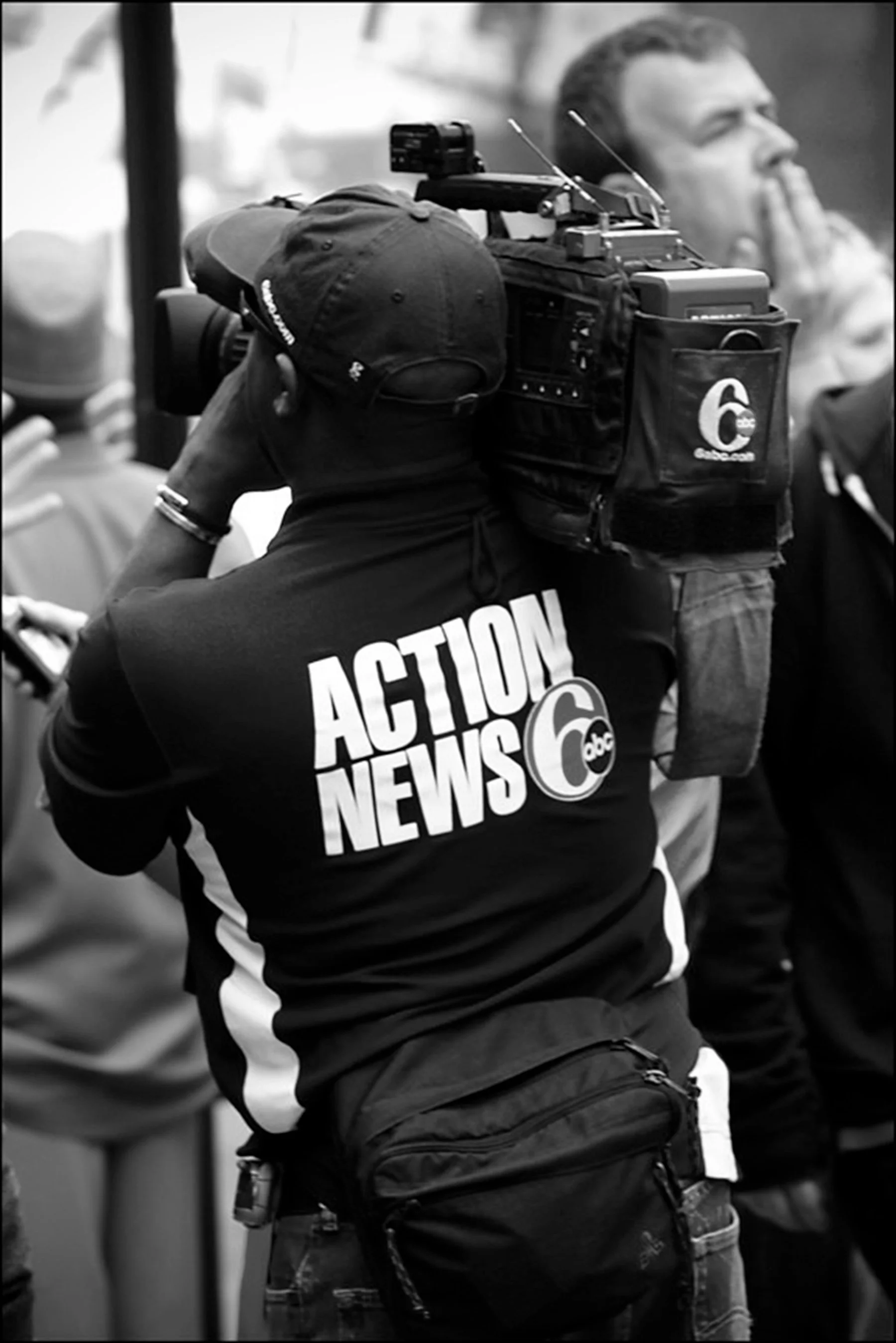
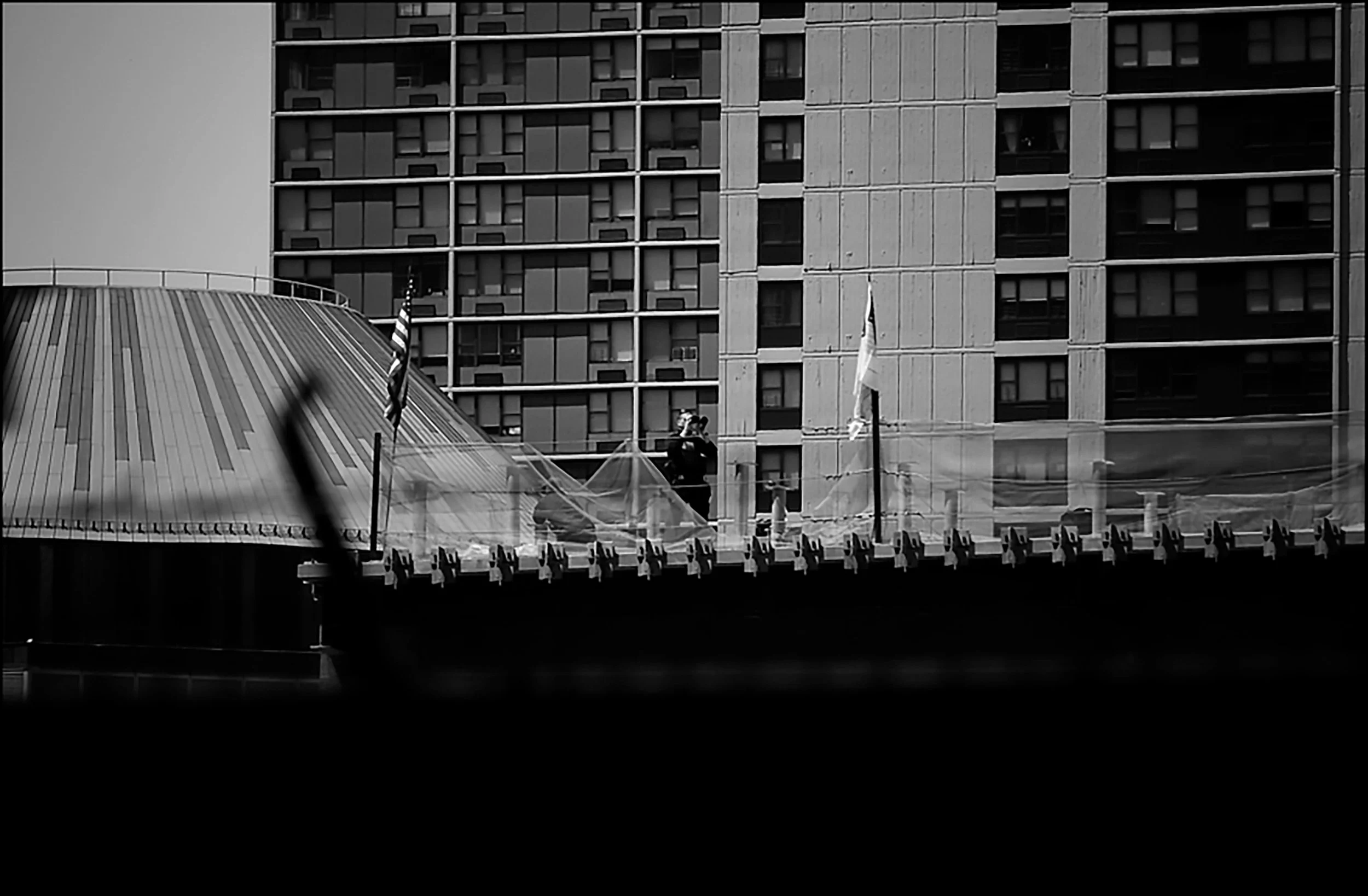
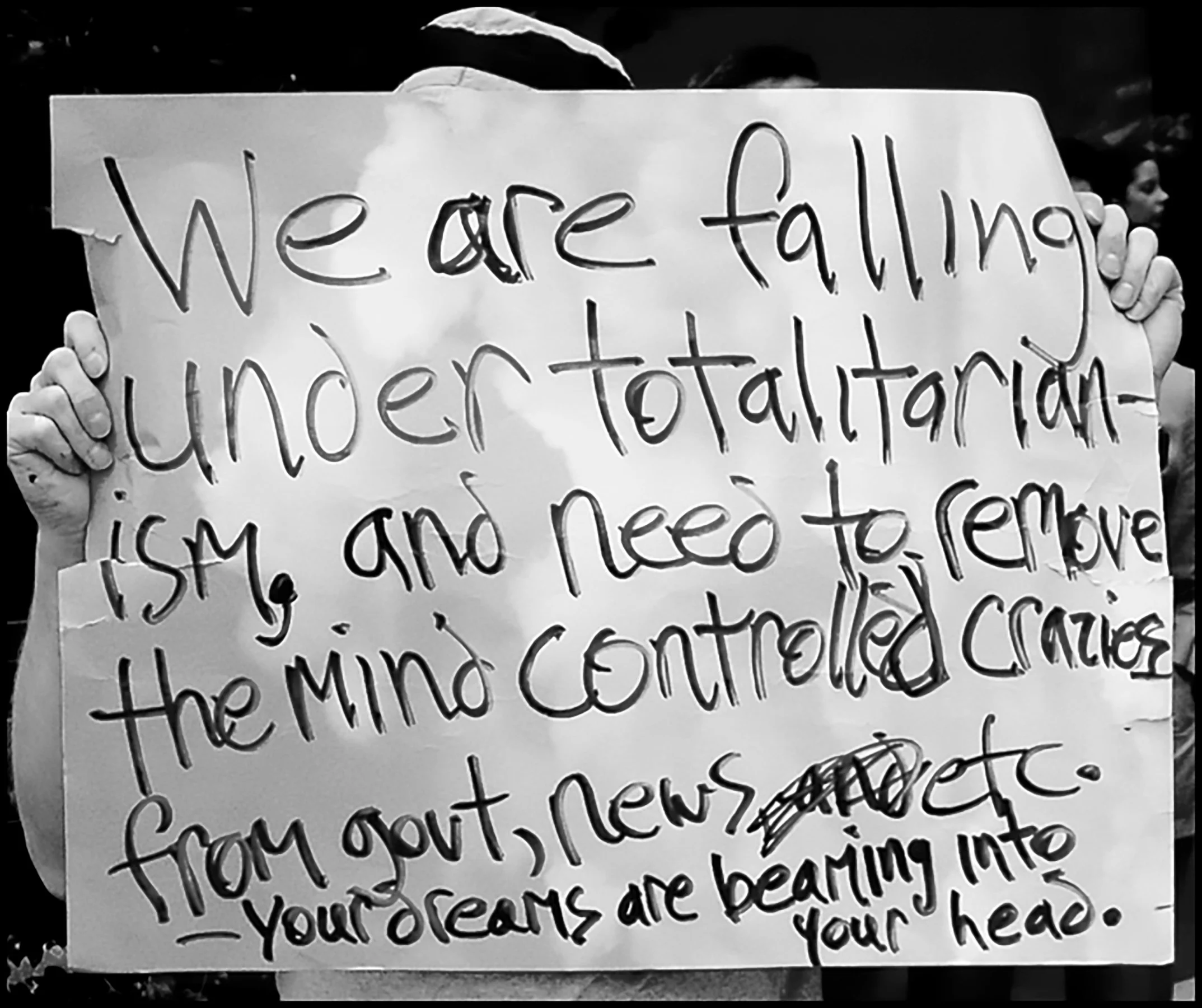
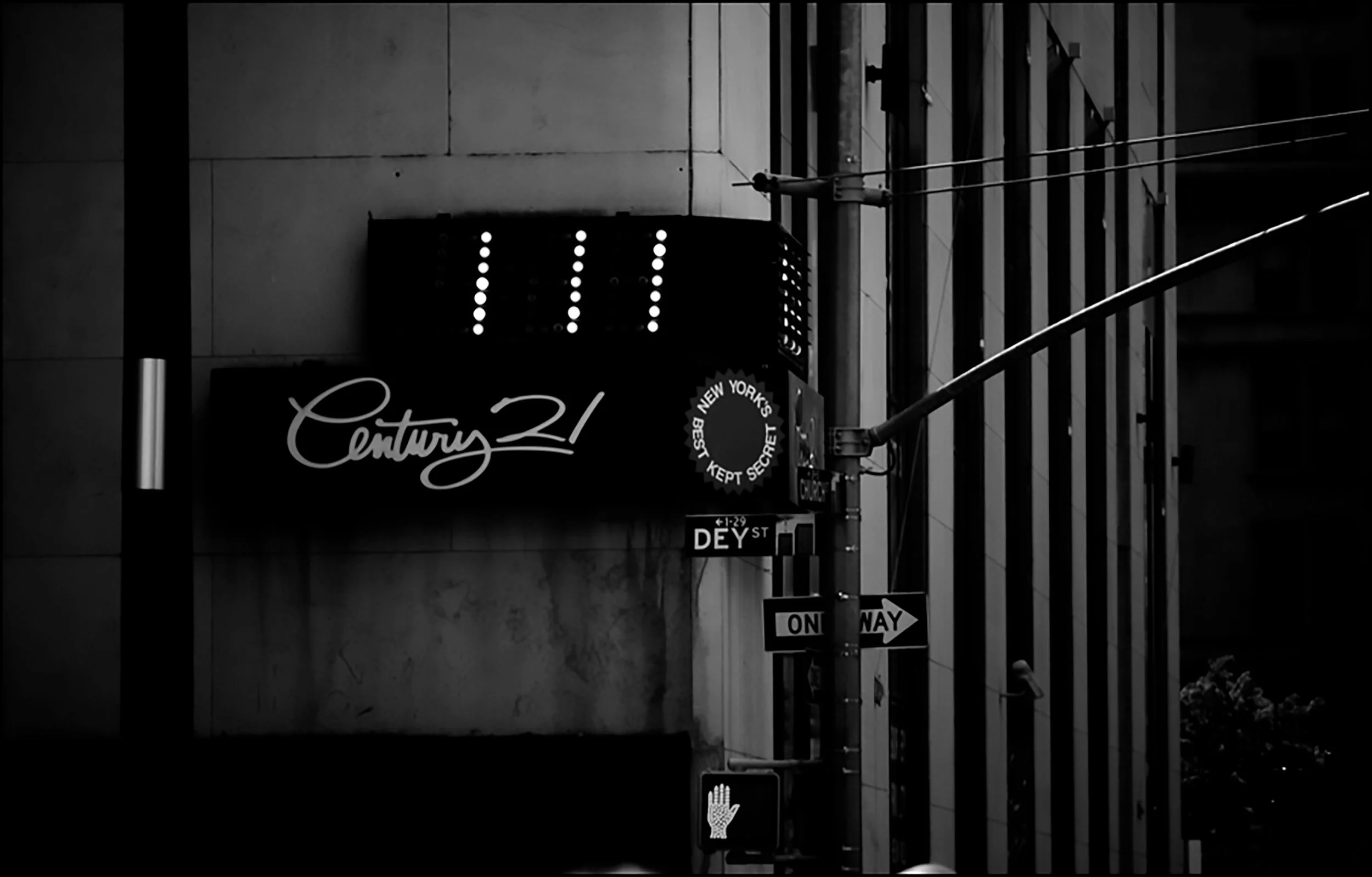
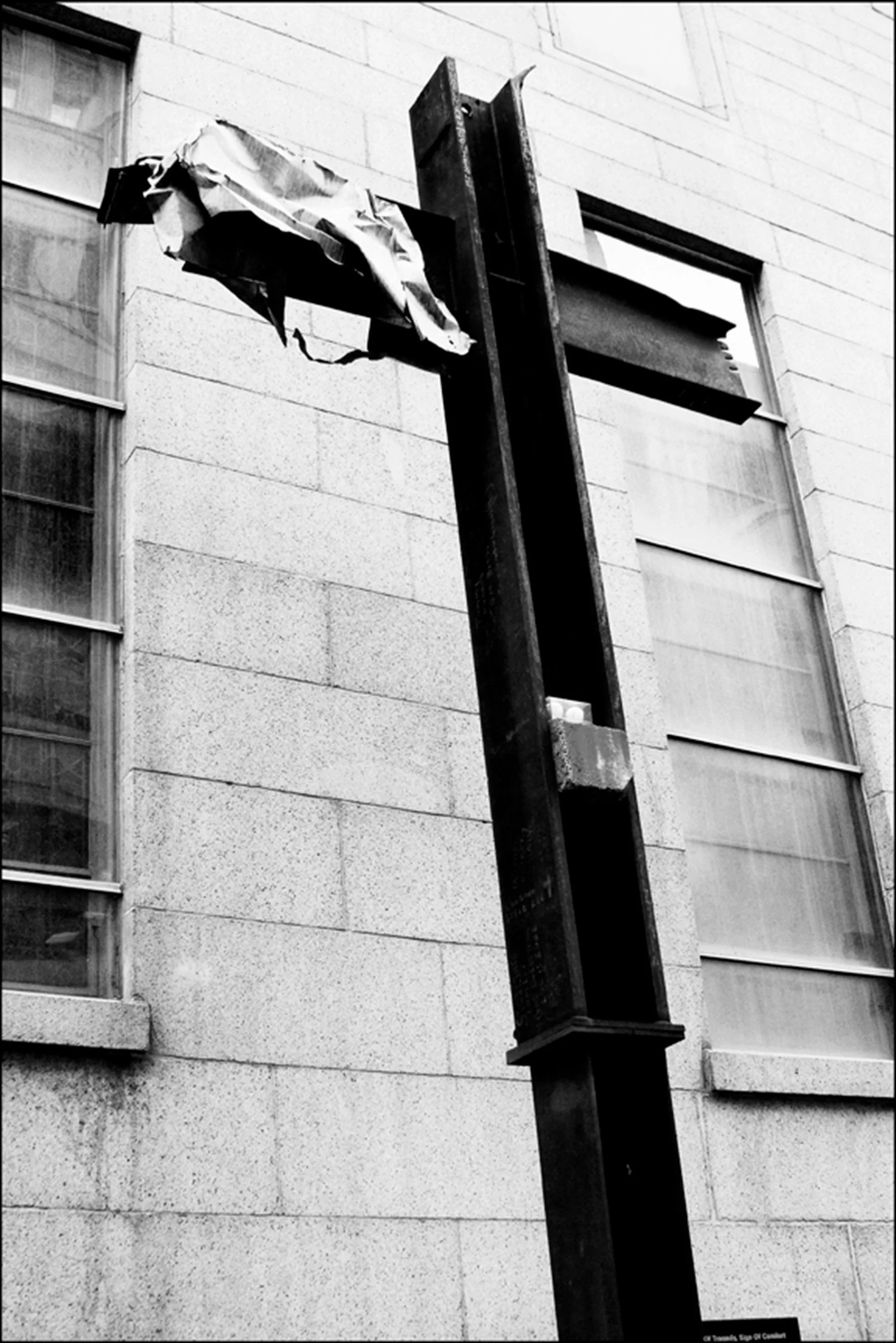
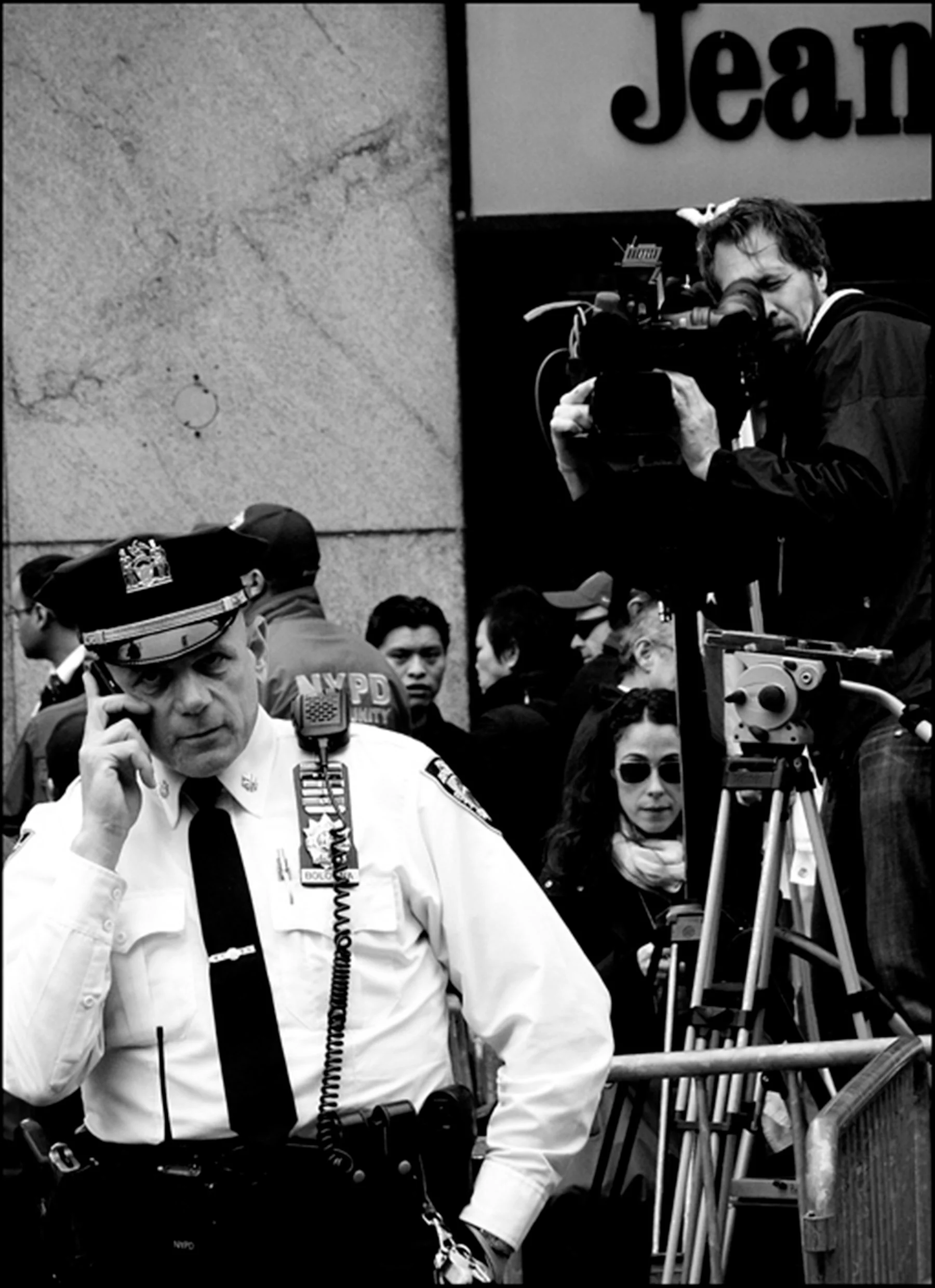
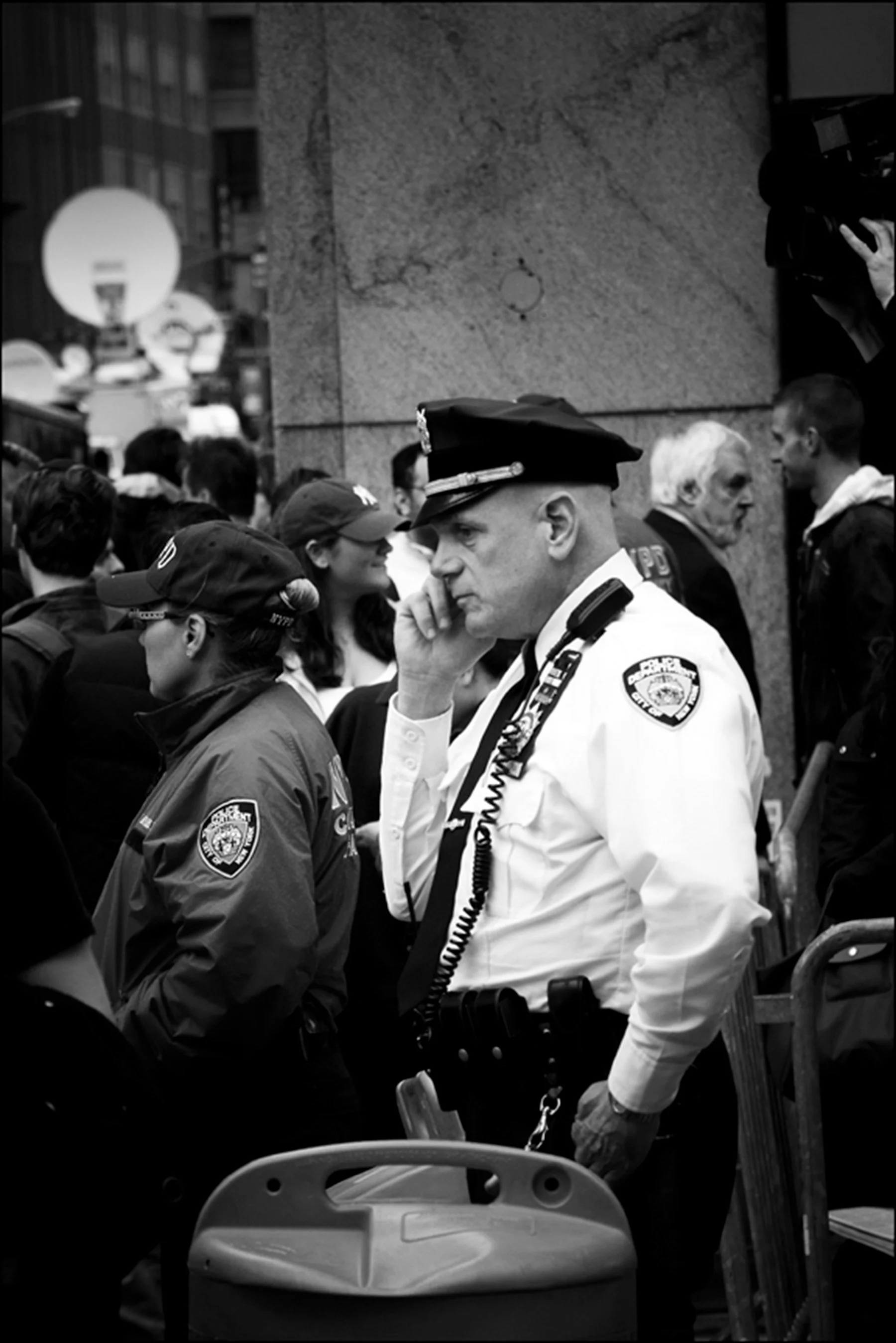
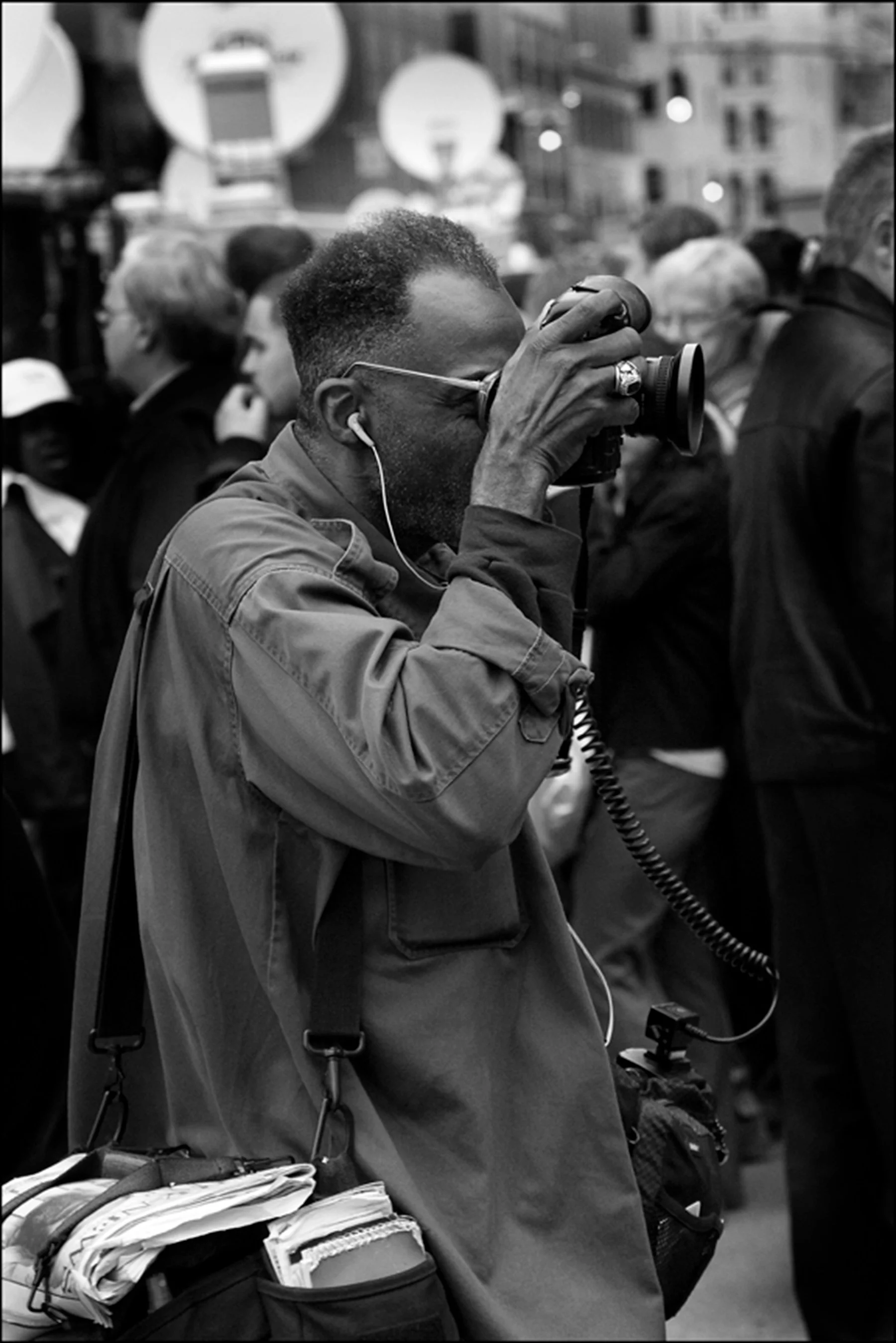
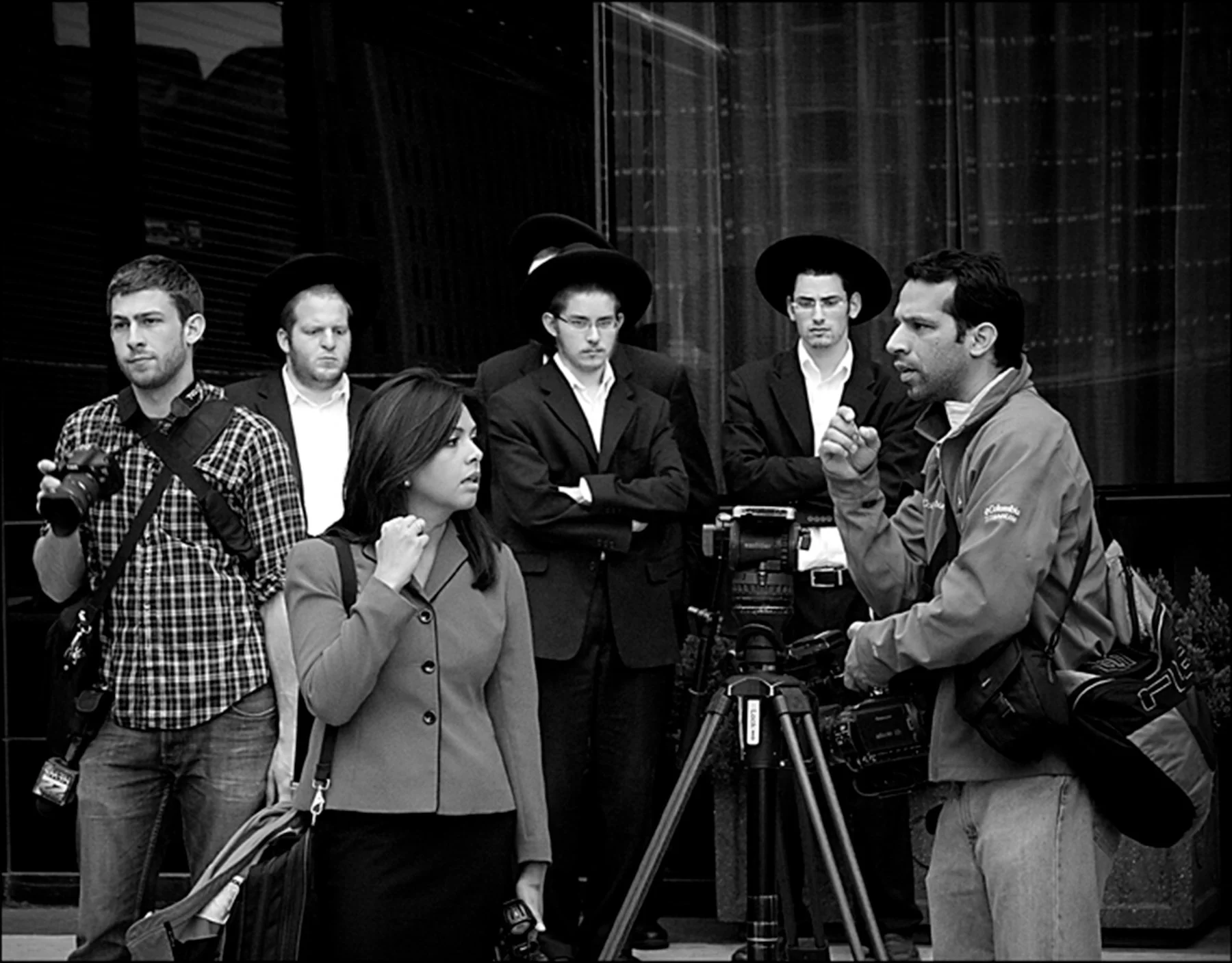
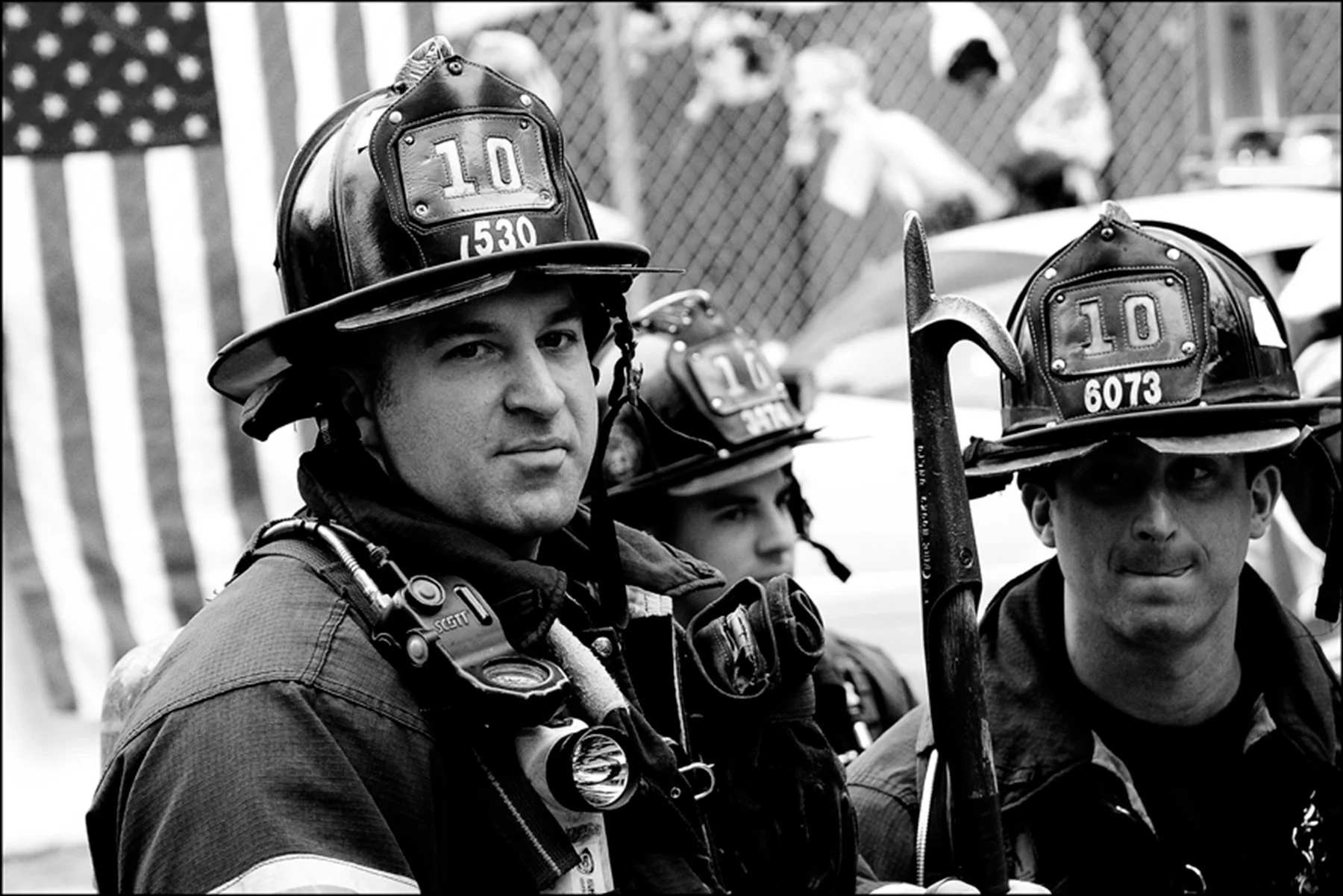
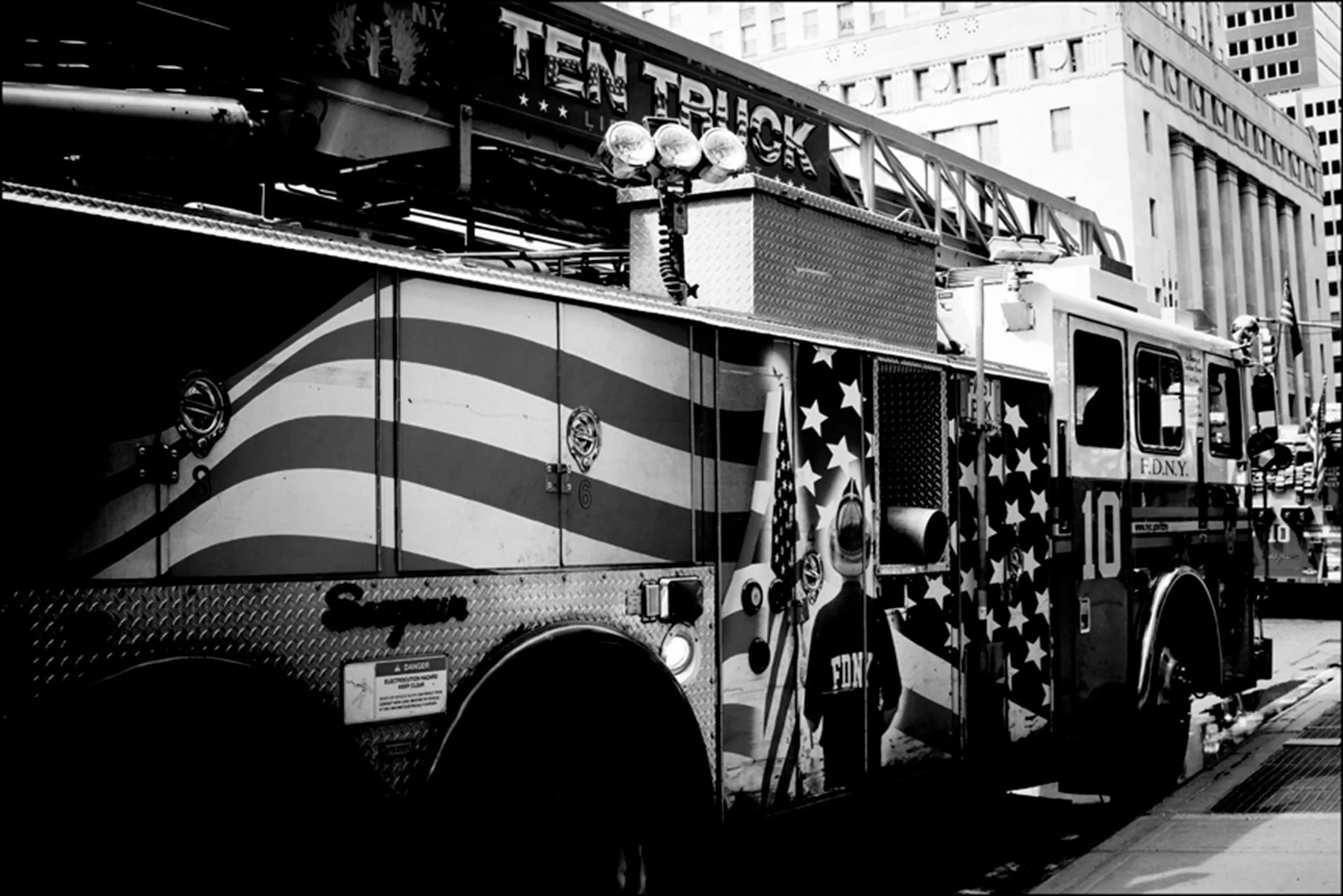
I went there to witness the reactions, listen to the conversations and take photographs. I wanted to hear what ordinary people were actually saying - not what television commentators were saying, and not what politicians wanted the moment to mean.
I was there.
And what I witnessed was something I will never forget.
There were people crying everywhere.
For many, this wasn't politics. It wasn't foreign policy. It wasn't an abstract argument about terrorism or the War on Terror.
It was personal.
For some people, the announcement represented a form of justice for something that had happened to them more than a decade earlier.
I remember one young man, probably in his early twenties, sitting on a concrete barrier and sobbing heavily. He was completely overwhelmed. People were stopping to check on him.
His mother had been in the towers that day.
Watching him, it was impossible not to understand what the announcement meant to him.
Whatever questions I might have had about the government's story, whatever skepticism I might have felt about the circumstances surrounding bin Laden's death, none of that erased the reality of his grief.
His mother was gone.
For him, perhaps, this was the closest thing to justice.
-------------------------------
9/11 was my awakening
Before that morning, I was pretty much a CNN and CBC watcher. I watched the news, absorbed what I was told and generally assumed that if something appeared on television, it had passed through some invisible filter of truth.
I thought I was being told what was happening.
I didn't spend much time asking who was telling me, why they were telling me, what they might be leaving out, or who benefited from the story being told.
Then September 11 happened.
I was in Montreal.
I always woke up to talk radio in the United States. The first thing I heard that morning was a reporter talking about a tower in Manhattan being hit by a plane.
I jumped up and told my roommate to turn on the tv.
As we watched, the second plane hit.
Then came the Pentagon.
I remember watching the television and thinking, What the fuck is happening?
I was glued to the television for the rest of the day.
At the time, I didn't have the language I would eventually develop for what I was watching. I didn't know about the machinery of propaganda, the history of intelligence operations, the way governments construct narratives during moments of crisis, or what Noam Chomsky called "manufacturing consent".
I simply watched.
And absorbed.
Little did I understand how much of the world I was being introduced to through somebody else's frame.
-------------------------------
Montreal after 9/11
Things became incredibly tense in Montreal in the weeks that followed.
There was constant concern about terrorist attacks.
There was fear that the subway could be attacked or gassed.
One morning, on my way to work, the Montreal Metro stopped in the middle of a tunnel.
And it just sat there.
Ten minutes.
Twenty minutes.
A half hour.
No announcements.
No explanation.
Nothing.
What if something had happened?
What if there was gas?
What if there was a bomb?
What if nobody was telling us?
The tension that built up inside that stationary subway car was extraordinary.
People were crying.
Then the train continued.
Another morning at work when all the power suddenly went out.
Again, nothing necessarily catastrophic had happened.
But after September 11, the ordinary had become terrifying.
A representative from Toronto happened to be there. She put her head down and simply started crying.
That was the atmosphere.
Friends would call from British Columbia and, during the conversation, ask:
"What is that noise I keep hearing in the background?"
Our apartment in Westmount was at a higher elevation in the city, and military jets would sometime circle at low altitude.
People on the other end of the phone could hear the roar.
September 11 wasn't just something happening on television in New York.
It had entered our apartments.
Our subway tunnels.
Our workplaces.
Our conversations.
Our nervous systems.
And somewhere inside all of that, something changed in me.
I started paying attention.
From the after-effects of what I'd already seen - I started digging.
I started paying attention.
For the past twenty-five years, I've gone down rabbit holes.
I've questioned things.
I've followed stories beyond the first headline.
I've looked at history from different angles.
I've learned to distinguish between something being officially asserted and something being independently demonstrated.
That doesn't mean I believe every conspiracy theory I encounter.
The more you investigate, the more you discover that some conspiracies are nonsense, some are exaggerations, some contain fragments of truth wrapped in fiction - and occasionally things that once sounded like conspiracies turn out to have had genuine documentation behind them.
The point isn't to believe everything.
The point is to look.
And I’m not “political” for the sake of politics.
I simply want to know what’s happening in the world I live in. I want to dig past the carefully crafted speeches of politicians and the propaganda packages delivered by the media.
I despise lying.
I despise liars.
And I genuinely don’t understand how people can take what they’re told at face value, never question it, and simply carry on as though none of it matters.
-------------------------------
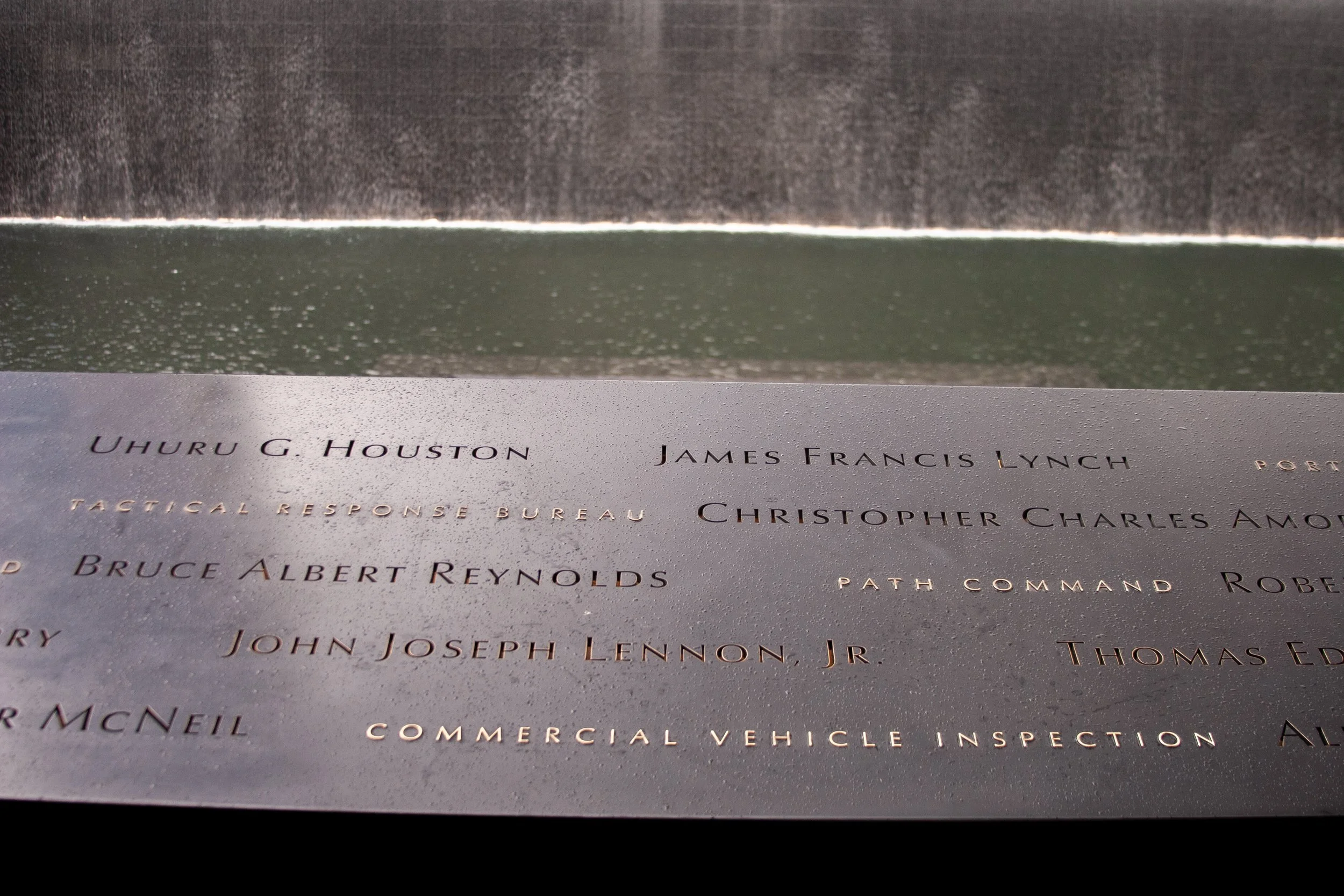
Back to Ground Zero
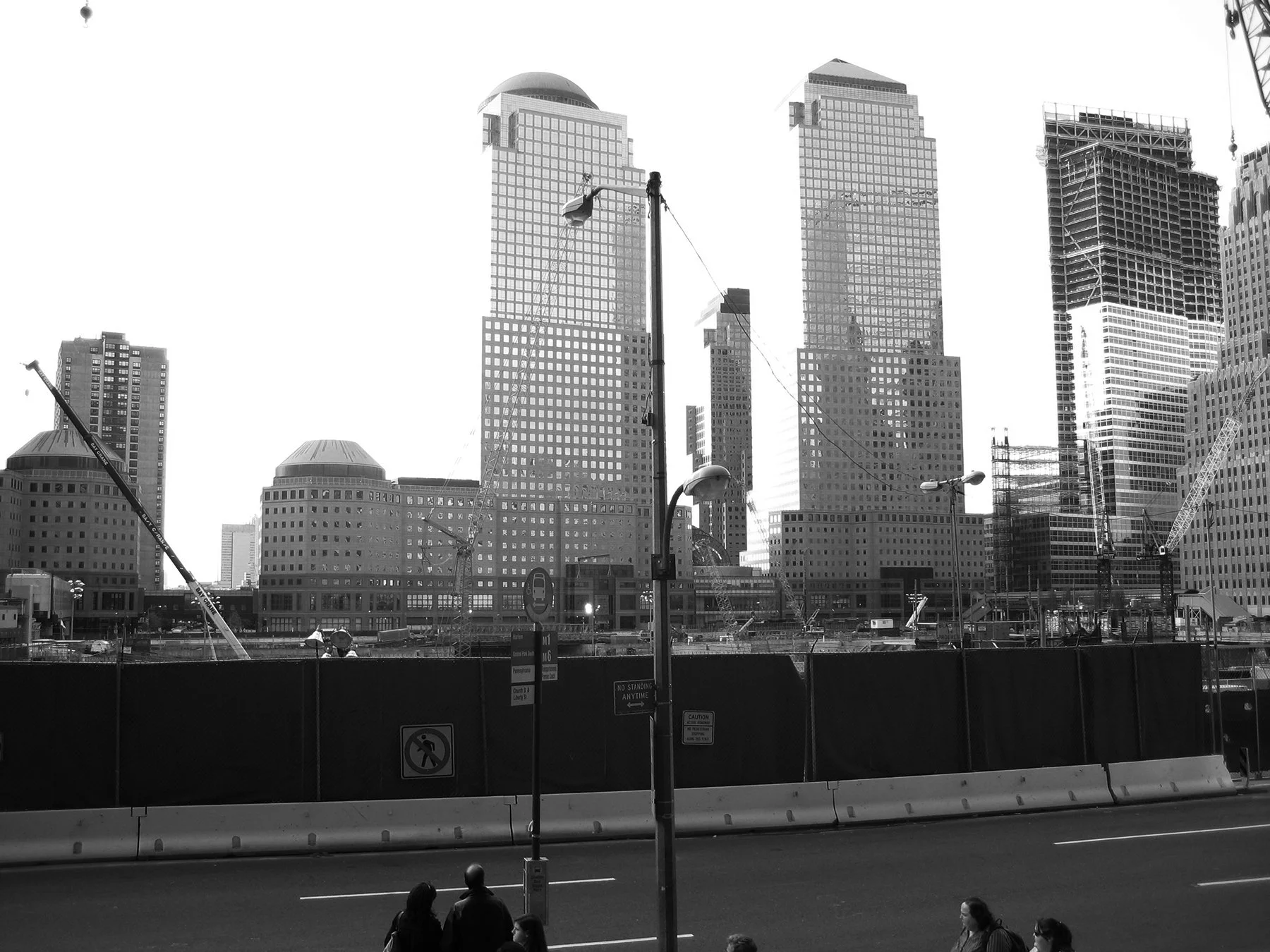
I went to Ground Zero on my first day in New York in 2008.
Then again when I moved there in 2009.
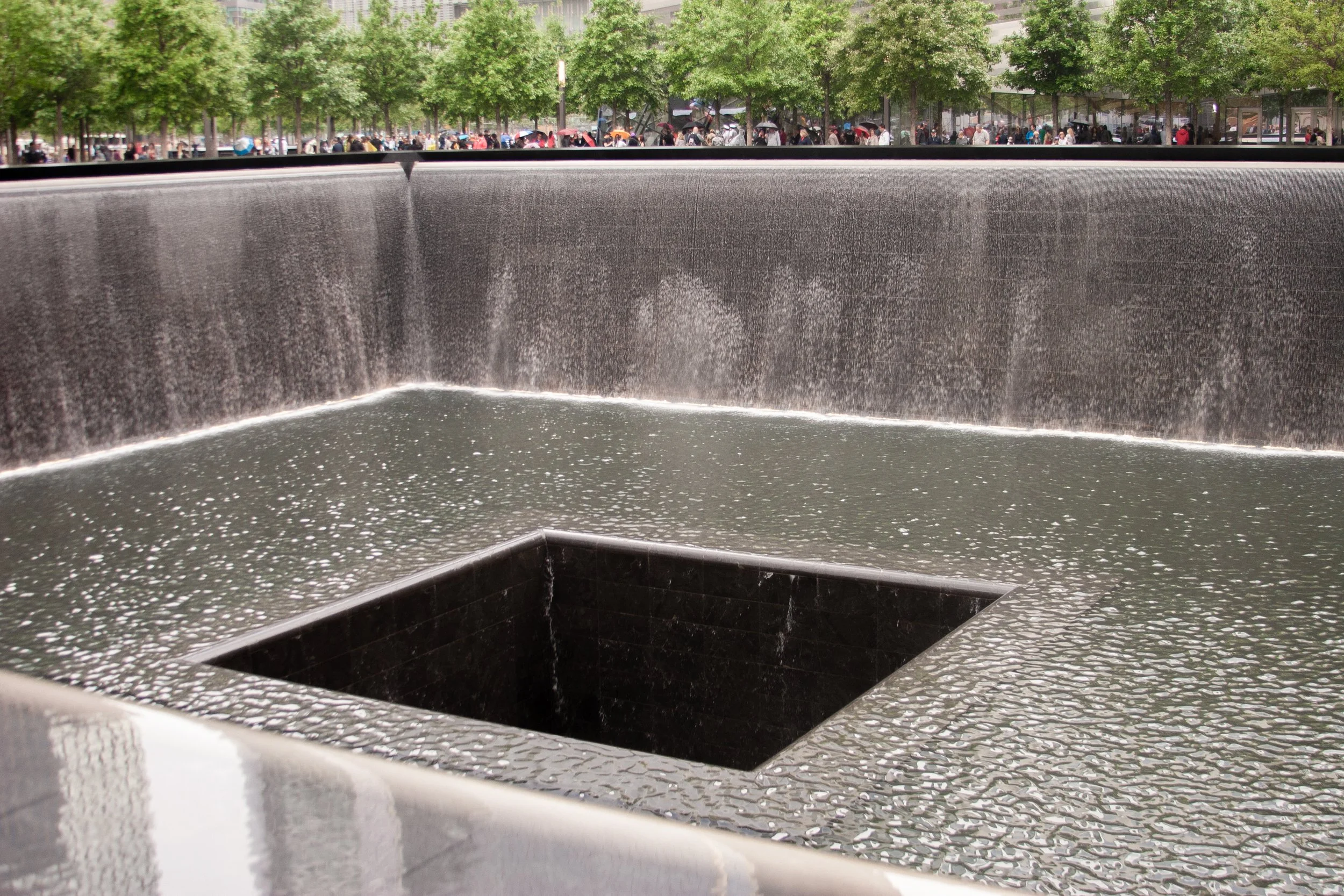
It was still essentially a giant cleared-out hole in the ground.
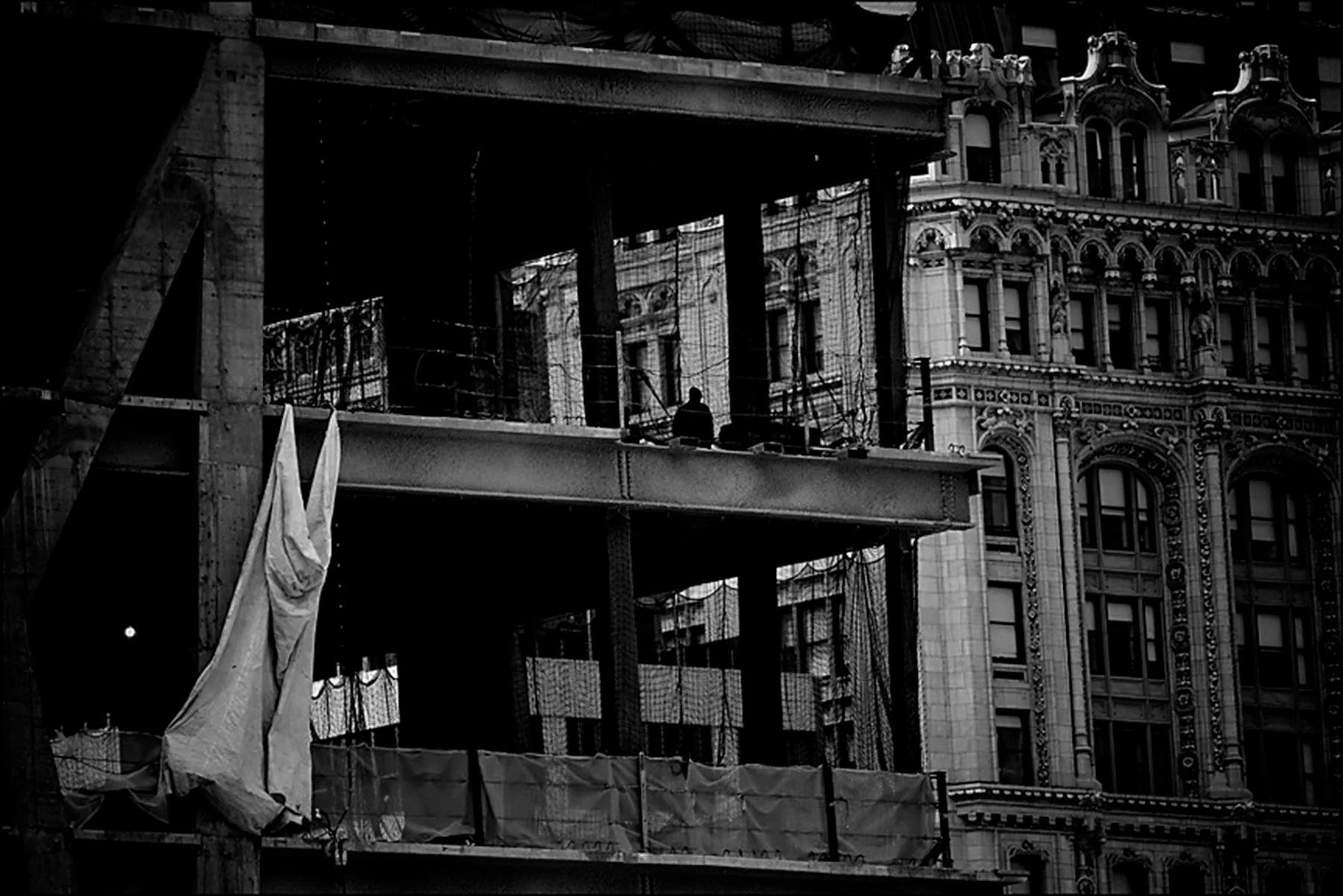
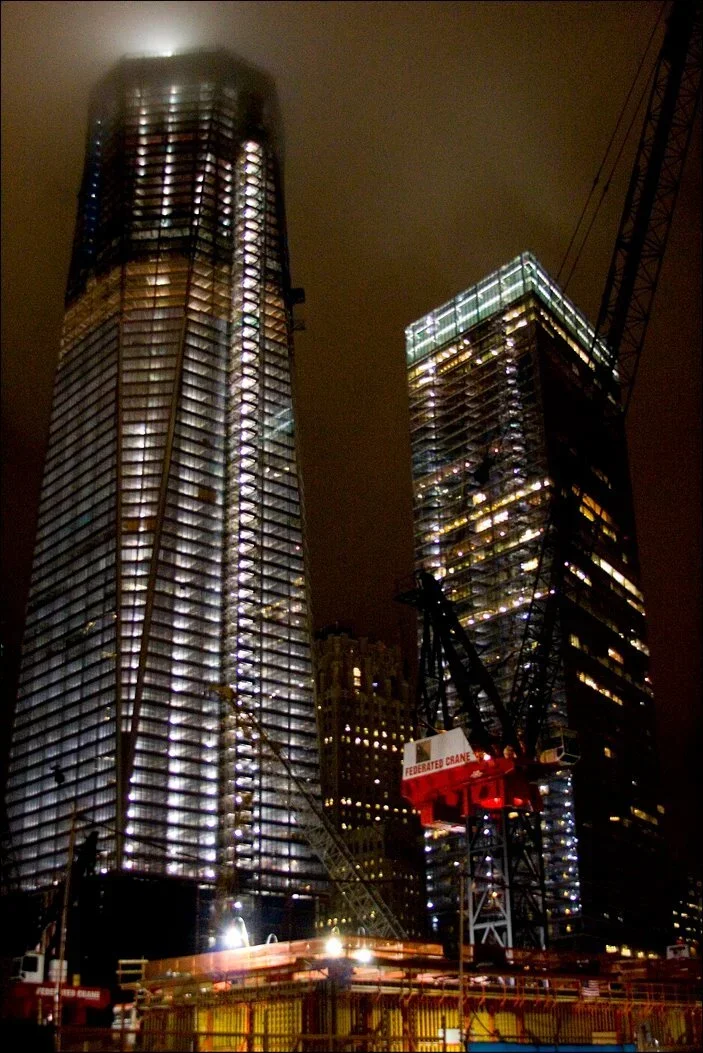
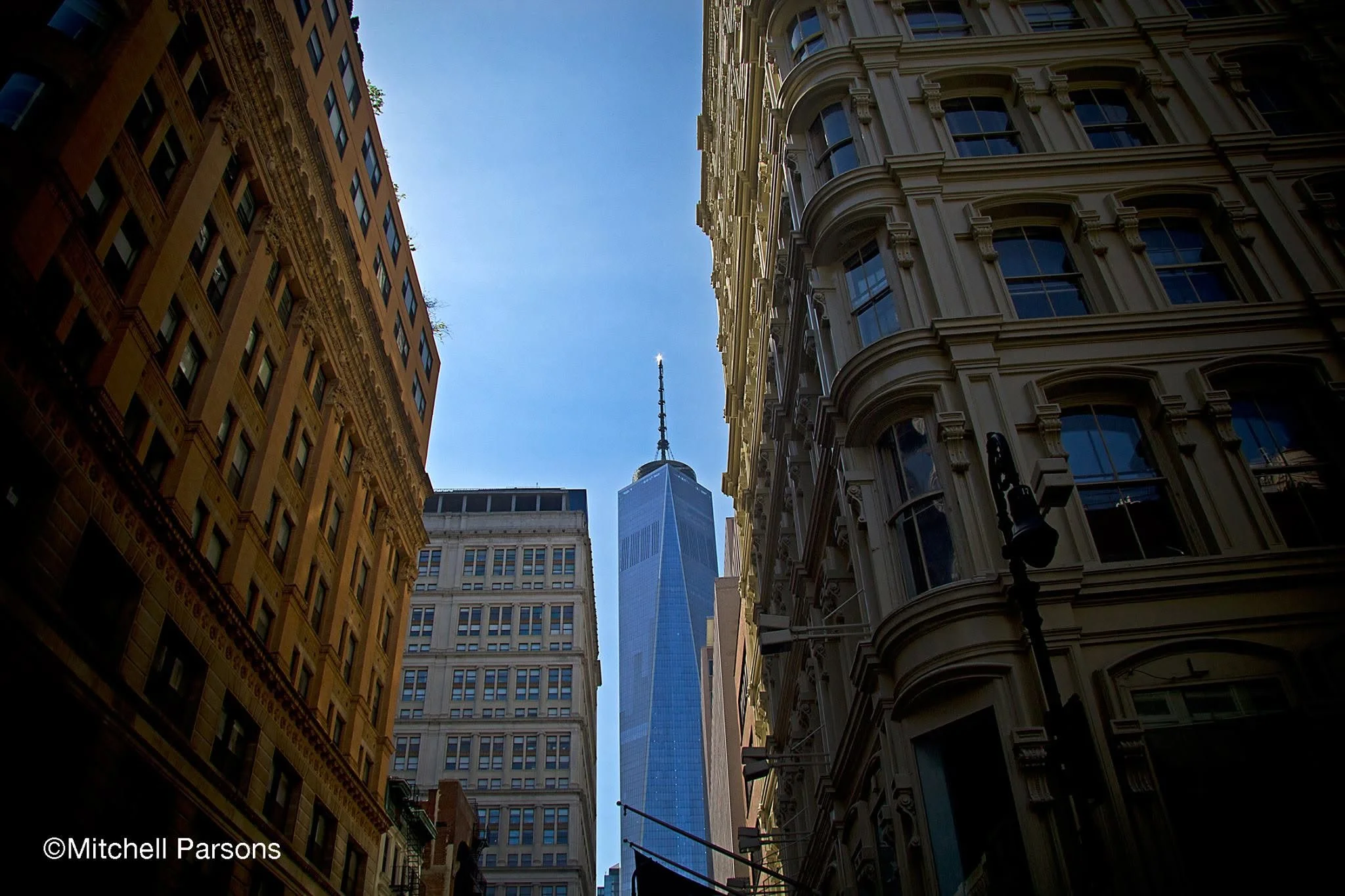
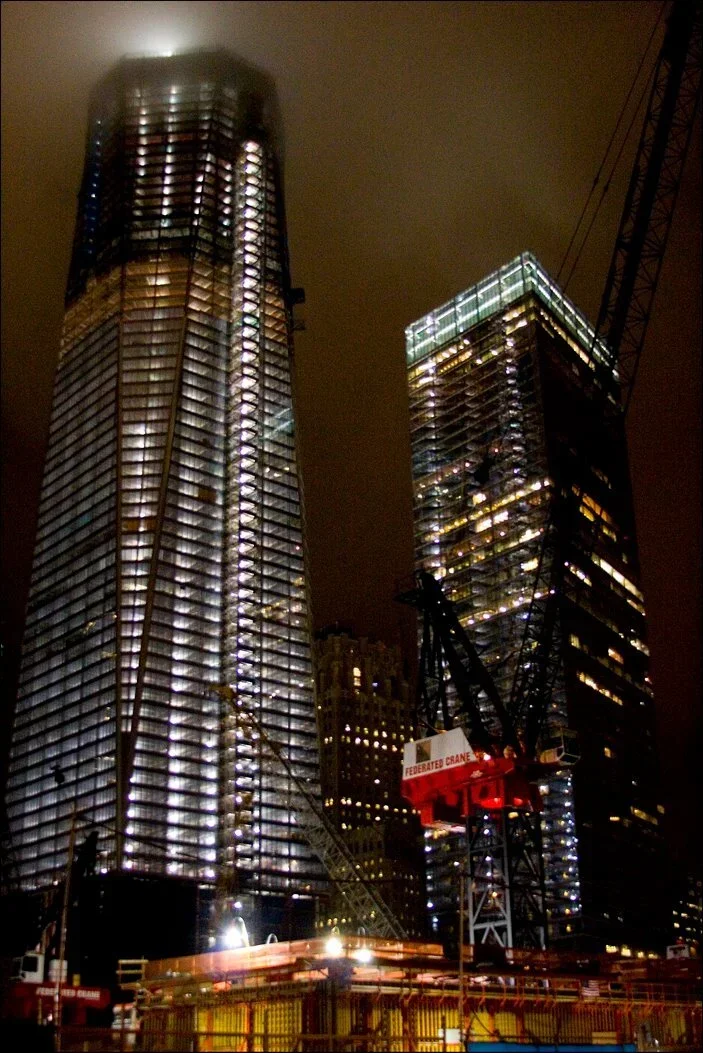
I watched the new tower rise in 2011 as I spent many days and months at Zuccotti Park, directly across the street, photographing and covering the Occupy movement.
So by the time Obama announced bin Laden's death, Ground Zero wasn't some distant historical location to me.
I stood there again in 2011 and watched people react to the announcement that the man blamed for it was finally dead.
That is why the moment stays with me.
Because I wasn't simply reading about people's reactions.
I was standing among them.
And I heard everything.
Relief.
Celebration.
Anger.
Patriotism.
Grief.
And skepticism.
A young man sitting on the concrete barrier. His mother had been in the towers.
There was no intellectual exercise happening in front of me at that moment.
There was no geopolitical theory.
There was simply a son mourning his mother.
For him, Obama's announcement represented justice.
And I think it is important to say that plainly.
Because skepticism about the official story should never require us to become emotionally detached from the people who suffered.
The dead were real.
The grief was real.
The families were real.
The hole in the ground was real.
The trauma was real.
Whatever conclusions someone ultimately reaches about the politics and intelligence surrounding September 11, none of that changes those things.
But there is another reality that has to exist alongside the grief of September 11.
People throughout the Middle East have experienced this same kind of devastating loss as a consequence of Western military interventions.
Families have lost mothers.
Children have lost fathers.
People have watched their homes destroyed.
Civilians have been killed, displaced, imprisoned or permanently traumatized. It's happening now.
And to those people, the faces of American and Western military power can carry the same emotional weight that Osama bin Laden carried for Americans.
That doesn't make the situations morally identical.
It doesn't erase the responsibility of the people who carried out September 11.
And it doesn't mean that the suffering of one population cancels out the suffering of another.
It means something simpler:
Human grief doesn't stop being human when it crosses a border.
A mother in New York is a mother.
A mother in Baghdad is a mother.
A young man sobbing over his dead mother is still a young man sobbing over his dead mother.
And that is part of what makes the entire War on Terror so difficult to look at honestly.
There is the grief we see.
And then there is the grief that happens far away, often outside the Western television frame.
Both are real.
-------------------------------
The strange story underneath the story…
Which brings me back to the strange story underneath Obama's announcement.
Because there was a piece of history sitting beneath it that deserved considerably more attention.
Bin Laden's death had already been reported years earlier.
Not simply by some anonymous blogger.
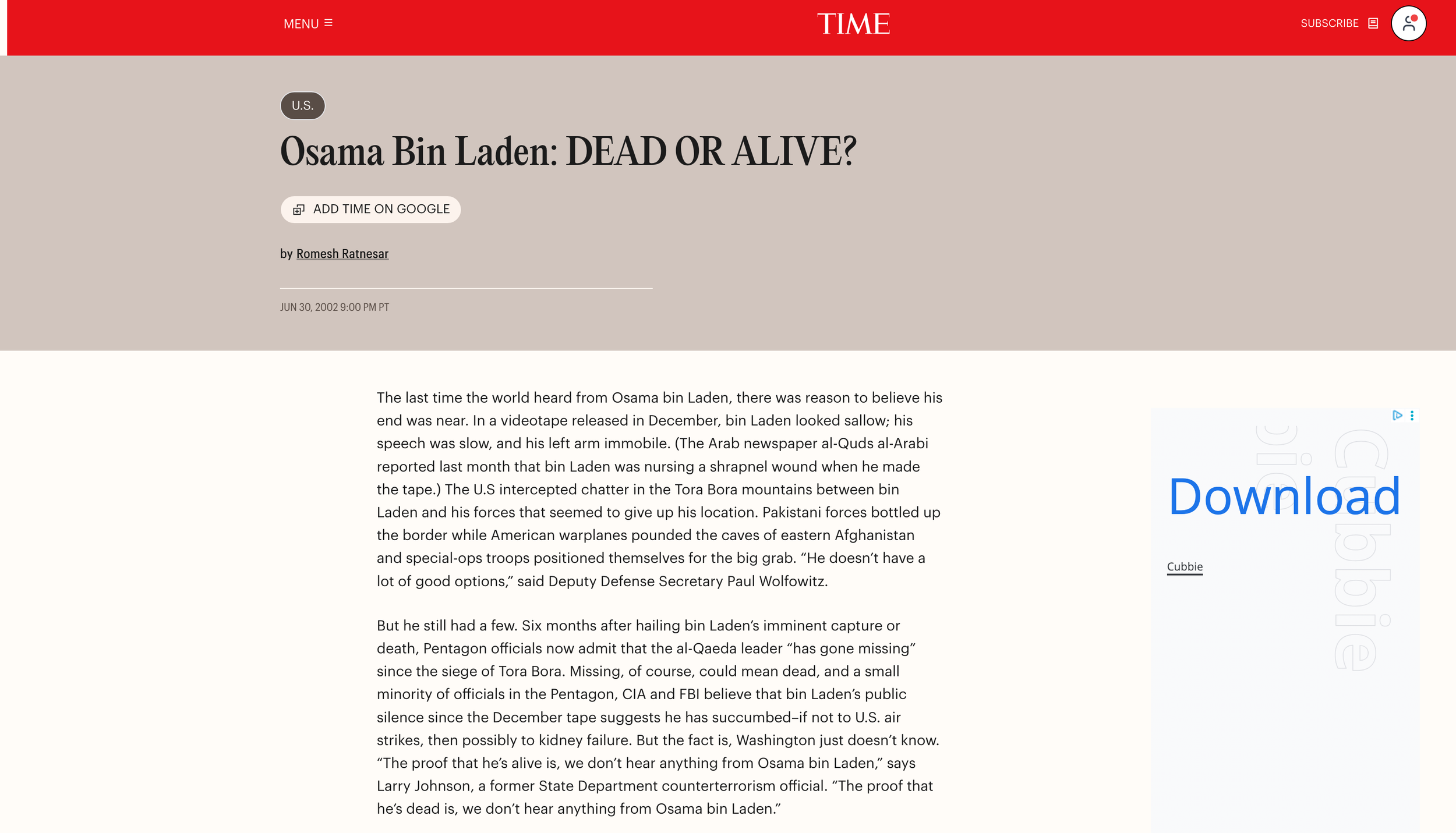
There had been reports and statements from political leaders, intelligence officials and news organizations suggesting that bin Laden might have died as early as 2001 or 2002.
And this raises a much bigger question about the machinery that grew around the hunt for him.
Because there was an enormous amount of money, political power and institutional momentum attached to the idea that Osama bin Laden was still out there.
Wars were being fought.
Intelligence agencies were expanding.
Surveillance programs were growing.
Military and intelligence contractors were making enormous amounts of money.
Governments were spending billions of dollars pursuing the world's most wanted man.
So from a purely cynical perspective, there was an obvious incentive to keep the fox hunt going.
A dead fox ends the hunt.
A living fox justifies another operation.
Another intelligence program.
Another surveillance system.
Another military budget.
Another counterterrorism initiative.
Another year of searching.
That doesn't prove that anyone deliberately fabricated bin Laden's survival. There is no solid evidence establishing that officials knowingly maintained a false story simply because it was profitable.
But it is a question worth asking.
What happens when an enormously expensive national-security enterprise becomes dependent on the continued existence of the person it's supposedly hunting?
If bin Laden really had died in 2001 or 2002, then the implications would be enormous.
It would mean that the world's most powerful governments spent years pursuing a man who was already dead.
And if authorities knew that - and nevertheless continued presenting him as a living, active threat - then the question becomes much darker:
Was the fox hunt actually about catching the fox, or had the hunt itself become the purpose?
Of all the conspiracies surrounding September 11 and the War on Terror, the bin Laden story is one of the biggest.
And perhaps one of the most interesting.
Because the unusual elements aren't inventions of conspiracy theorists.
The 2001–02 death reports are real.
Musharraf really did say he believed bin Laden was dead.
U.S. officials really did say they didn't know.
American media really did report the uncertainty.
Later reports really did claim bin Laden had died in 2001.
The United States really did spend another nine years searching for him.
Obama really did announce that bin Laden had been killed and the body was buried at sea.
And the administration really did refuse to release the photographs.
Those are historical facts.
What remains unresolved for a skeptic is what those facts mean.
Maybe the simplest explanation is the correct one: bin Laden survived Tora Bora, disappeared into Pakistan, and was eventually found and killed in 2011.
That remains the official account, supported by the evidence the U.S. government says it obtained.
But skepticism isn't necessarily about declaring that you know the opposite.
Sometimes skepticism is simply refusing to pretend that questions don't exist.
September 11 changed the way I looked at the world.
I was there in Montreal when fear became part of everyday life.
I was there at Ground Zero when people cried with relief and grief.
I was there when a young man whose mother had died in the towers sobbed on a concrete barrier.
And I've spent the twenty-five years since then trying to understand what the hell happened.
That's not a reason to believe every conspiracy.
It's a reason to keep looking.
Because the most unsettling part isn't necessarily the conspiracy theory.
It's the uncertainty.
For nearly a decade, the world's most wanted man became something almost mythological: a fox that might have been alive, might have been dead, might have been hiding, or might have already disappeared into history.
And an enormous global machinery of war and intelligence continued hunting him.
Every fox hunt needs a fox.
The uncomfortable historical question is whether anyone outside the machinery could ever be certain that the fox was still there.
(I had more photos than this, but they were on my laptop hard drive and it died when it was crushed - and so was I - in my backpack covering the Occupy Wall Street movement.)