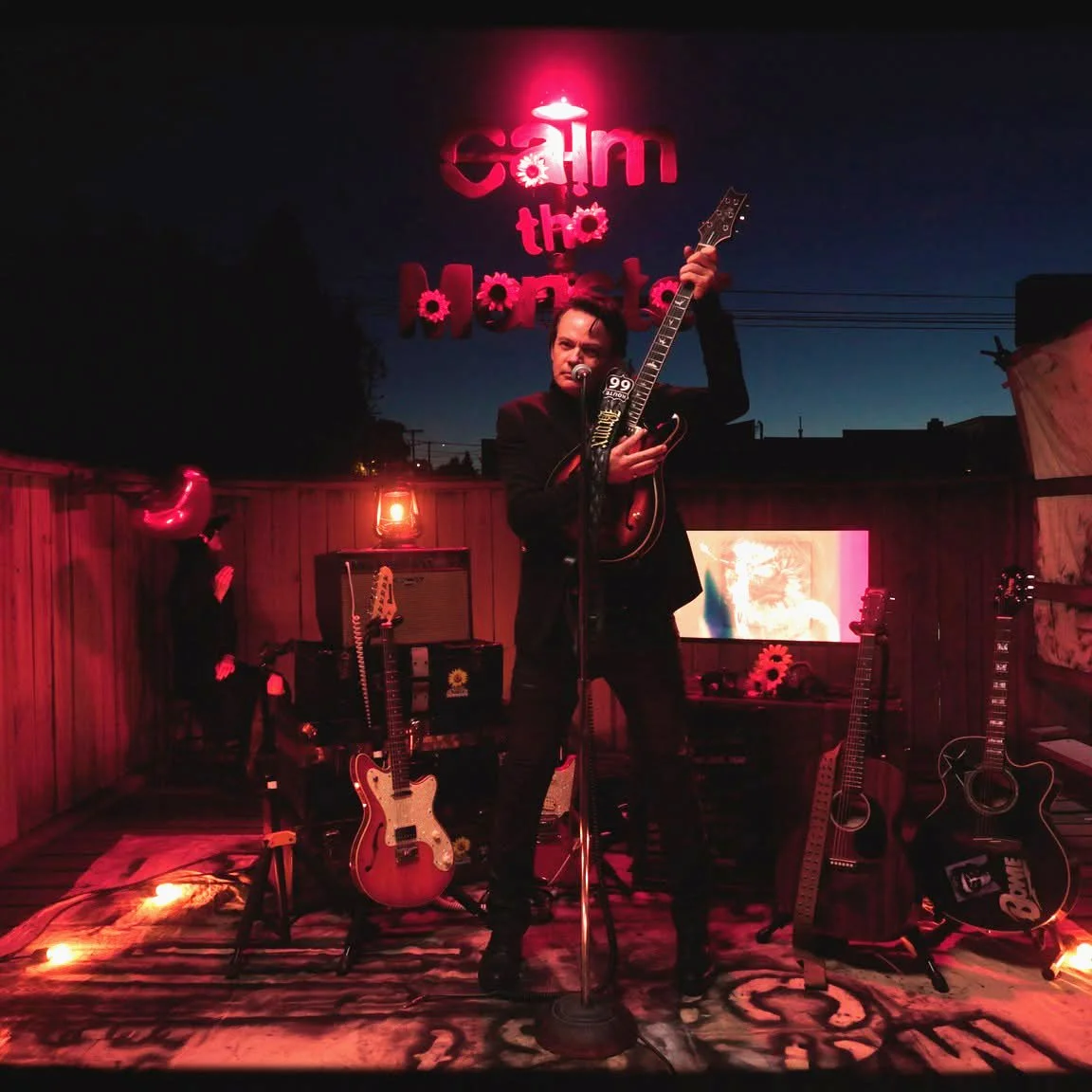
Calm the Monster
All tunes ©Mitchell Parsons
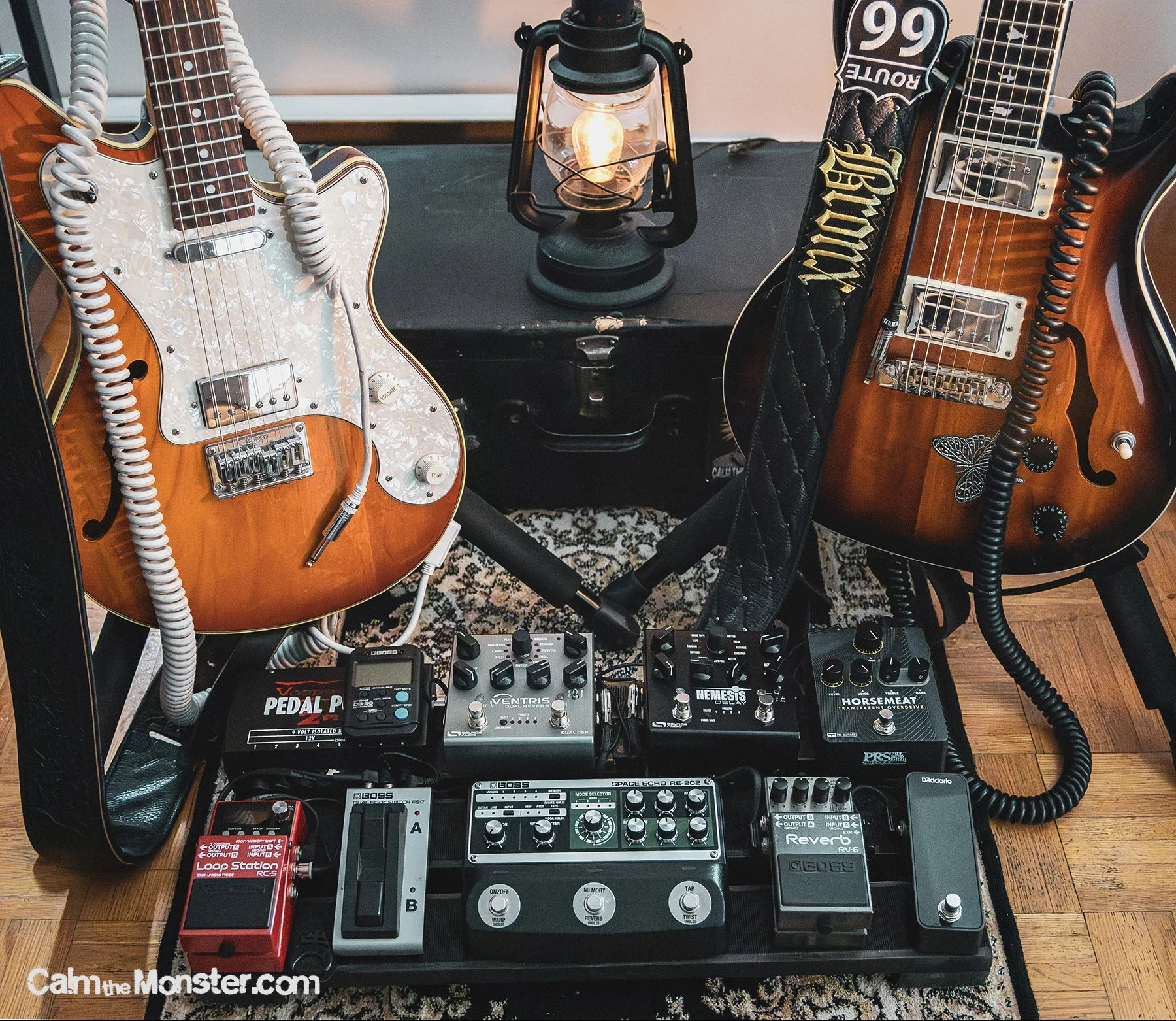
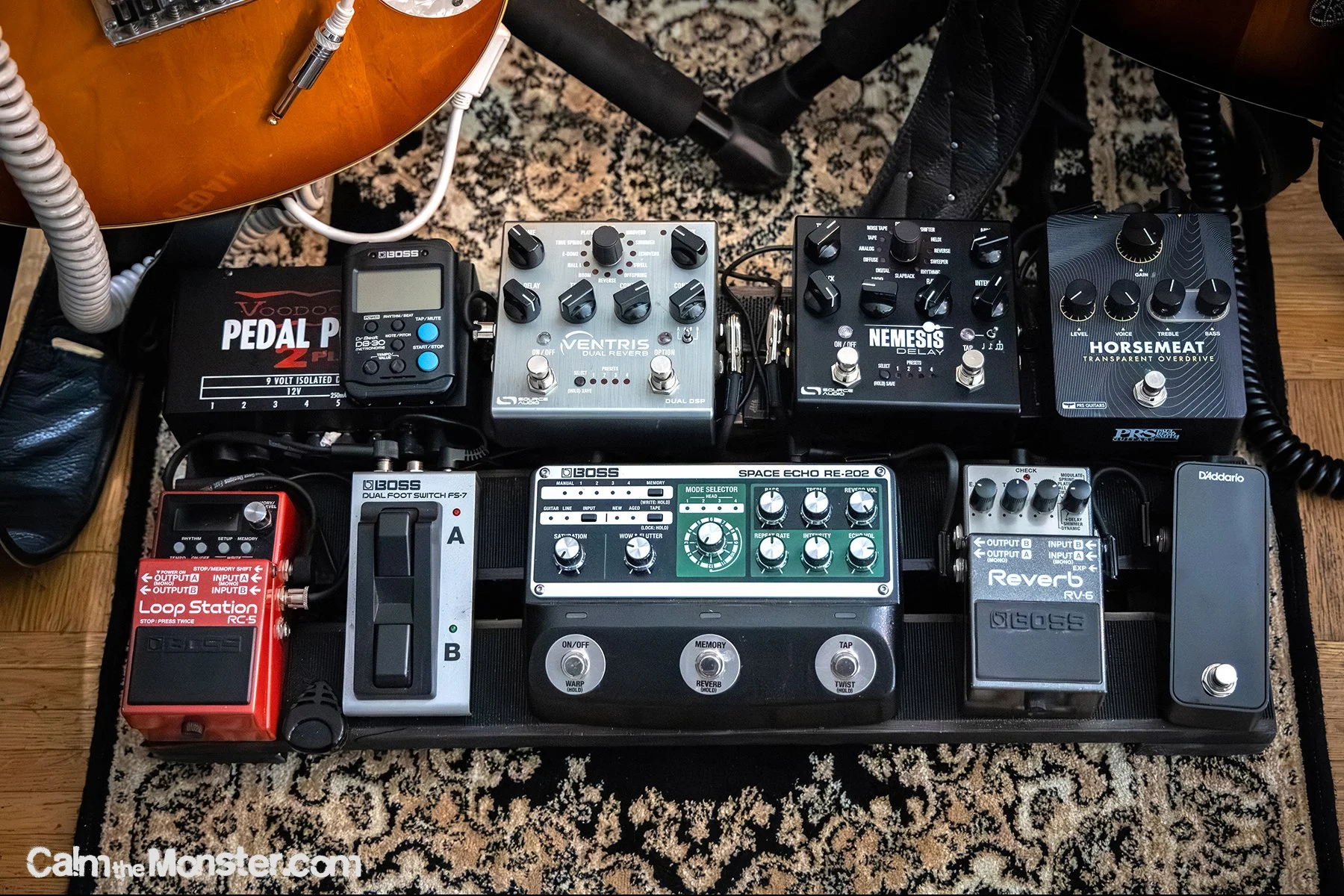
Documenting tunes, rough sketches, skeletons of songs. Main guitar, vocal and rhythm scratch live off the floor, warts and all.
Needs cello.

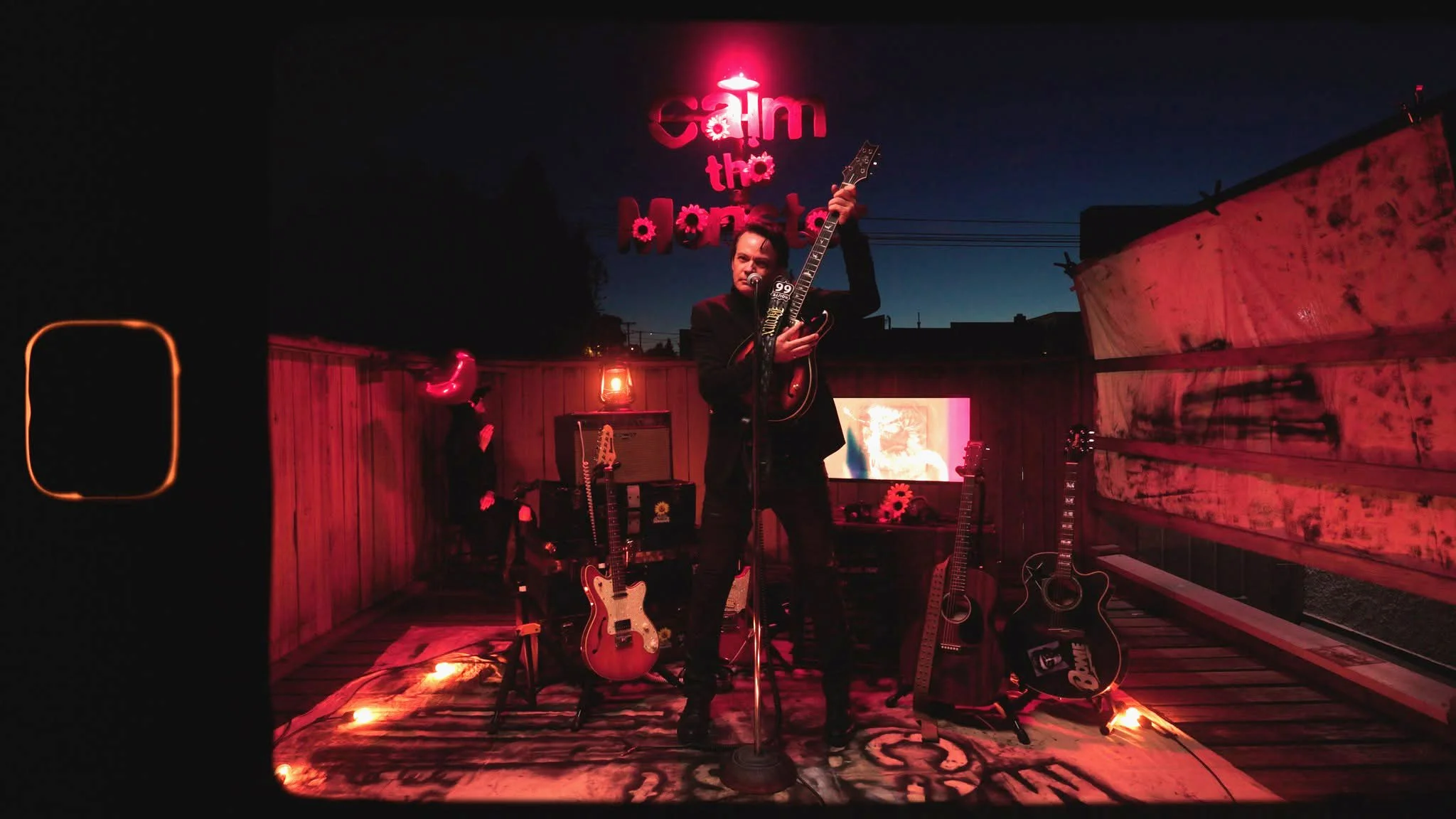



All tunes ©Mitchell Parsons
Documenting tunes, rough sketches, skeletons of songs. Main guitar, vocal and rhythm scratch live off the floor, warts and all.
Needs cello.

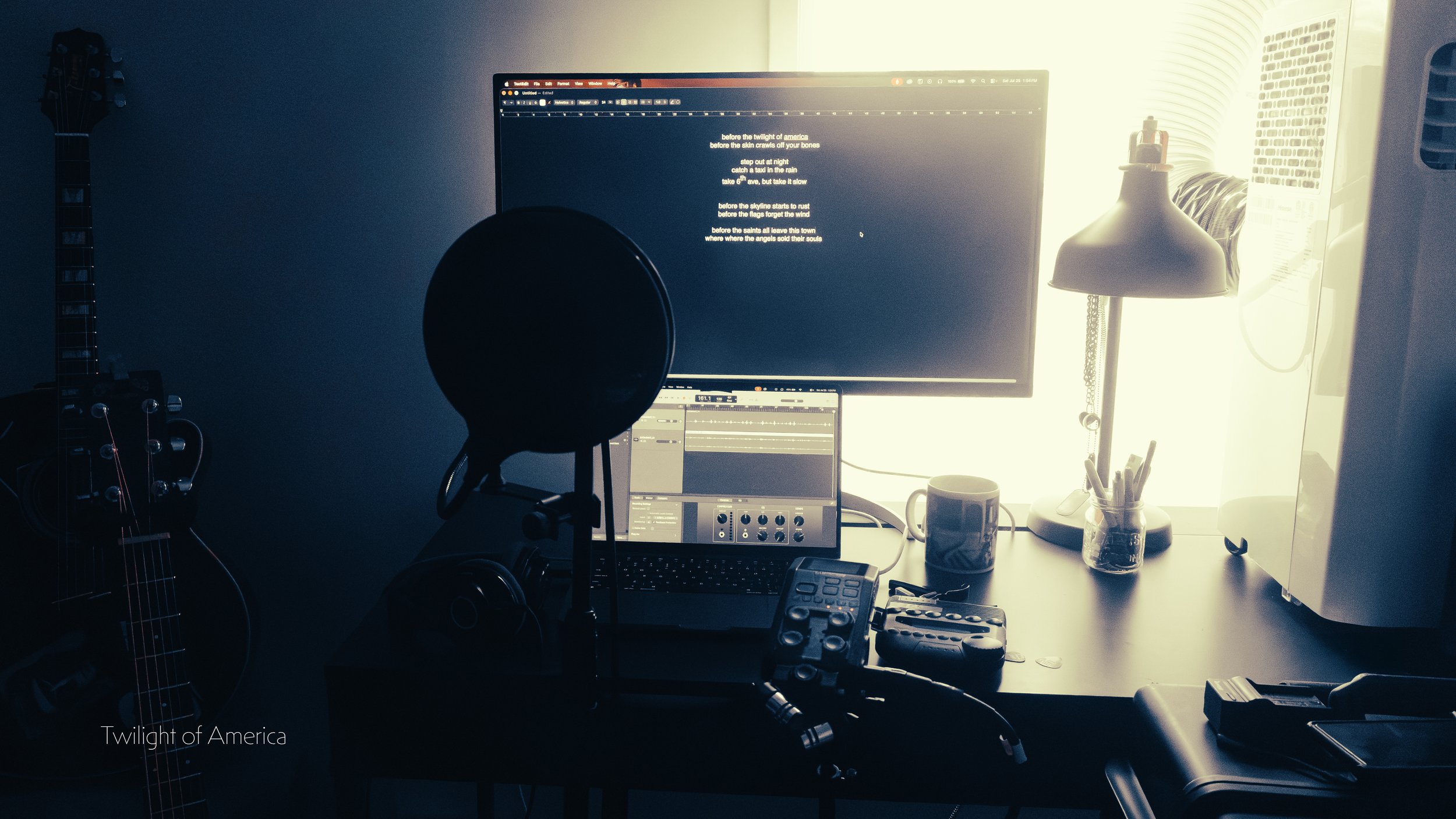
Just a quick recording of an idea with Zoom H6 recorder.
Twilight of America - Jamming this out with a few words and a couple of chords. Not sure how it'll end up, but wanted to jot it down like this so I don't forget.

“Never play to the gallery, I think, but you never learn that, until much later on, I think. But never work for other people at what you do, always remember that the reason that you initially started working was that there was something inside yourself that you felt that if you could manifest it in some way you would understand more about yourself and how you coexist with the rest of society.
I think it’s terribly dangerous for an artist to fulfill other peoples expectations, I think they generally produce their worst work when they do that.
The other thing I would say, if you feel safe in the area that you’re working in you’re not working in the right area. Always go a little further into the water than you feel you’re capable of being in, go a little bit out of your depth and when you don’t feel that your feet are quite touching the bottom, you’re just about in the right place to do something exciting.”
~ David Bowie
The audience comes last, and I believe that I'm not making it for them. I'm making it for me. And it turns out that when you make something truly for yourself, you're doing the best thing you possibly can for the audience. So much of why, if you go to the movie, so many big movies, just not good.
It's because they're not being made by a person who cares about it. They're being made by people who are trying to make something that they think someone else is going to like. And that's not how art works. Art doesn’t. That's something else. It's not art. That's commerce. So if we're making art, it's almost like, It's almost like a diary entry. So it can sell? Could I be concerned that someone else might not like my diary entry? It doesn't make sense.
~ Rick Rubin
Somewhere along the line, “don’t rock the boat” became a personality trait. Keep it neutral. Keep it safe. Keep it agreeable enough that no one unfollows, no one complains, no one even really notices. The result? A culture full of people sanding themselves down into something smooth, inoffensive ... and completely forgettable.
So yeah... controversial? Good.
Because controversy, real controversy, isn’t about being loud for the sake of noise. It’s the byproduct of friction. And friction only happens when something actually stands in the way. A belief. A value. A line in the sand that doesn’t move just because it would be easier if it did.
The truth is, nobody gets labeled “controversial” for saying things everyone already agrees with. Nobody gets pushback for echoing the safest, most widely accepted version of events. That’s not courage, that’s compliance dressed up as participation.
What gets called controversial is often just clarity in a room that prefers blur.
It’s the person who says, “No, I don’t buy that,” when everyone else nods along. It’s the refusal to perform agreement just to keep things comfortable. And that discomfort? That’s what people react to. Not necessarily because it’s wrong, but because it disrupts the quiet agreement to not look too closely.
And sure, there’s a cost.
People misunderstand you. They flatten your position into something easier to dismiss. They attach labels so they don’t have to engage with what you actually said. “Too much.” “Too intense.” “Problematic.” It’s easier to categorize someone than to contend with them.
But the alternative is worse.
The alternative is drifting. Saying just enough to sound engaged but never enough to mean anything. Becoming fluent in the language of non-positions where every opinion is padded, every edge dulled, every stance reversible depending on the room.
That’s not integrity. That’s survival mode.
Standing for something, really standing, means accepting that not everyone will come with you. It means being okay with friction, with disagreement, even with rejection. Not because you’re chasing conflict, but because you’re unwilling to abandon your ground just to keep the peace.
And here’s the part people don’t like to admit: most of the ideas we now accept without question were once labeled controversial. Every shift, every movement, every push forward started with someone being told they were too much, too loud, too early, too wrong.
So when someone says, “You’re controversial,” what they often mean is: *you didn’t play the game the way we expected.*
Good.
Because at least you played your own.
At least you didn’t disappear into the blur of safe opinions and recycled takes. At least there’s a trace of you clear enough that people had to react, even if they didn’t agree.
In a world that rewards silence disguised as civility, standing for something will always look like disruption.
And sometimes, disruption is the only honest response left.
Calm the Monster isn't just a music project, it’s more than music.
It’s tactile.
It’s atmosphere.
It’s a world built from movement, old stories, overheard conversations, glamour with bruises, and beauty that doesn’t realize it’s beautiful.
Calm the Monster feels like a place that forgot to go to sleep and decided that was part of the design.
It’s stained, layered, repaired, painted over, tagged, sun-faded, carrying fifty versions of itself underneath. It's fire escapes throwing hard shadows.
Nothing stays untouched long enough to become precious.
Paint over paint. Murals over posters over flyers over old murals. Signals over static. Sincerity over performance. The old bleeding into the new until you can’t tell which came first.
The pace isn’t fast.
It’s deliberate.
People and characters move like they already know where they’re going and assume you do too. If you stop, the world edits around you without slowing down.
There’s always sound, but not always noise.
Late-night radio. Tires over pavement. Flickering televisions. Bass through walls. Distant sirens. Cigarette smoke in cold air. Sweat in hot air. Someone laughing too loud. Someone saying something too honest.
And then there’s that strange hour where everything loosens.
Not empty.
Never empty.
Just more honest.
That’s where Calm the Monster exists.
In fluorescent diners and liquor stores. In dressing rooms and apartment windows. In industrial wastelands and moonlit confessionals. In surveillance zones and backstage conversations. In moments that feel cinematic until they suddenly become real.
This isn’t trees and nature and sunshine.
It isn’t clean lines, self-help, or neatly packaged peace.
It’s Lou Reed under neon.
It’s Leonard Cohen at closing time.
It’s Nick Cave in the back corner turning longing into scripture.
It’s David Bowie changing faces in the mirror.
It’s Andy Warhol and The Factory.
Beautiful people. Damaged people. Performers. Outsiders. Observers.
People wanting to be seen while terrified of being seen too clearly.
Calm the Monster isn’t just songs.
It’s grain.
Smoked glass.
Old photographs.
Neon reflected in puddles.
Conversations through thin walls.
The feeling that something already happened here five minutes before you arrived.
It’s breakdowns with dignity.
Artifice that accidentally tells the truth.
Softness hidden inside noise.
And somewhere inside all the theatre, collapse, longing, rebellion, tenderness and strange beauty...
there’s still belief in love.